Clickbait Checker
The video title says:
"This Doctor Quit To Warn You: If You Wake Up At 3AM, You NEED To Know This!"
Reality:
The title warns about waking at 3AM, but the episode focuses on a broad biochemical deficiency (vitamin D, B vitamins, acetylcholine) affecting sleep, not specifically on 3AM awakenings.

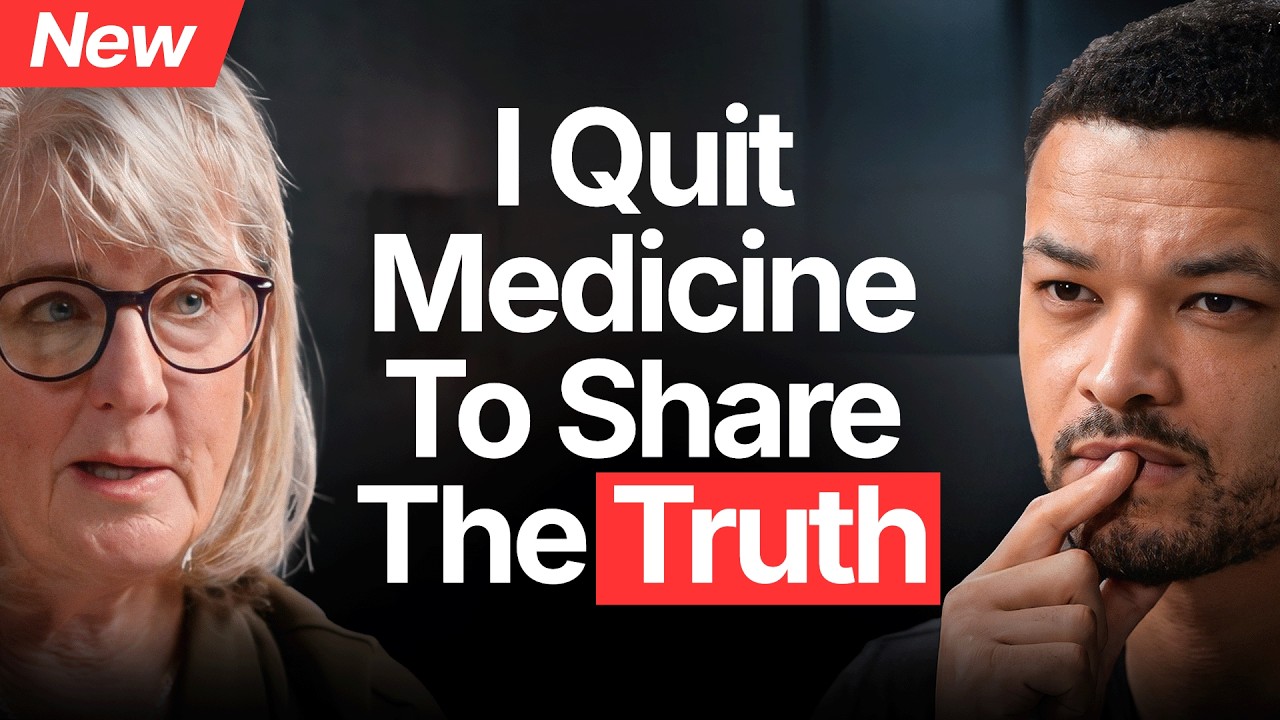
The thumbnail says:
"New The Sleep Fix They Won’t Prescribe"
Reality:
The thumbnail promises a sleep fix that doctors won't prescribe, and the episode does advocate for a specific supplement protocol (vitamin D plus all eight B vitamins) that the guest claims is overlooked by mainstream medicine.
AI Opinion
The episode’s most convincing argument is its critique of flawed, fixed-dose vitamin D research, which often ignores individual blood levels and has led to widespread medical dismissal of deficiency—a point supported by the Endocrine Society’s own admission of poor study quality. However, the central claim that modern indoor lifestyles cause a chain reaction of vitamin D deficiency → gut microbiome disruption → B vitamin depletion → acetylcholine loss → sleep disorders rests on a cascade of “Needs Research” verdicts, with no direct clinical trials cited to prove causality. A thoughtful viewer should double-check whether the guest’s patient anecdotes and three-month supplement protocol have been replicated in peer-reviewed studies, and remain skeptical of the assertion that common diagnoses like sleep apnea and narcolepsy are broadly treatable through vitamins alone, as the guest himself notes advanced cases may require more aggressive intervention.
Voices are AI rewrites of the same facts — style changes, not substance.
Summary
A neurologist argues that modern sleep disorders are driven by a hidden biochemical deficiency rooted in indoor lifestyles. He claims that vitamin D, which he calls a misnamed hormone, is essential for producing the neurotransmitter acetylcholine, which controls REM sleep paralysis. Reduced sun exposure since the 1980s, due to sunscreen, air conditioning, and screens, has led to widespread vitamin D deficiency. This deficiency, he says, disrupts the gut microbiome, which is responsible for producing all eight B vitamins. The resulting lack of B vitamins and acetylcholine impairs sleep and contributes to conditions like sleep apnea, narcolepsy, and IBS. He criticizes mainstream medicine for relying on flawed, fixed-dose vitamin D studies and for ignoring the microbiome's role. While he acknowledges that a whole-food diet and sunlight are ideal, he advocates for a targeted supplement protocol combining vitamin D with all eight B vitamins to restore gut health and normal sleep within three months. He also notes that sunlight provides sulfated vitamin D and other beneficial compounds not found in pills, and that fermented foods offer a natural source of B vitamins. The episode emphasizes that sleep quality should be the primary measure of dietary success, and that many diagnosed sleep conditions may be treatable through this biochemical approach, though advanced cases may require more aggressive intervention.
Voices are AI rewrites of the same facts — style changes, not substance.
Key Points
Vitamin D Misinformation and Its Impact on Sleep
The guest, a neurologist, argues that common advice about vitamin D is wrong and dangerous. He states that supplementing vitamin D is not equivalent to sun exposure because the body absorbs it through the skin, but people are told to avoid the sun. He claims that a deficiency in this vitamin can cause the brain to 'forget how to sleep,' linking it directly to sleep disorders.
Acetylcholine deficiency from indoor living disrupts REM sleep paralysis
The doctor explains that a deficiency in the neurotransmitter acetylcholine, which is essential for the paralysis that occurs during REM sleep, is a root cause of sleep problems. This deficiency arises because vitamin D is required to produce the enzyme that synthesizes acetylcholine, and modern indoor lifestyles with sunscreen, computers, and air conditioning (common since the 1980s) reduce vitamin D levels. Without adequate acetylcholine, the parasympathetic nervous system cannot function properly, leading to issues like reduced heart rate variability and inability to maintain restorative sleep.
Modern lifestyle changes since the 1980s correlate with rising sleep and metabolic issues
The doctor contrasts his childhood in the 1970s, where only 2 out of 300 classmates were overweight and sleep problems were rare, with today's epidemic of obesity, insomnia, and antidepressant use. He attributes this shift to the widespread adoption of sunscreen, air conditioning, and screen time after the 1980s, which dramatically reduced sun exposure and vitamin D synthesis. He argues that the common narrative blaming food toxins or personal failure is incomplete, and that a hidden biochemical deficiency—specifically in vitamin D and acetylcholine—is the underlying cause.
Vitamins are powerful biochemical agents that require careful, individualized dosing
The doctor warns that vitamins are not harmless supplements but potent biohacking tools that can cause harm if misused. He criticizes government recommendations as inadequate because they ignore individual biochemistry, and notes that many patients experience no improvement or even worsening of symptoms when taking vitamins incorrectly. To address this, he has created a protocol that includes a journal for tracking personal responses, emphasizing that self-monitoring is essential for safe and effective vitamin use.
Sleep problems are a global epidemic with billions affected, yet mainstream research lacks explanations
When asked about the prevalence of sleep issues, the doctor states that billions of people worldwide are affected, citing sleep study centers in Germany, Japan, and Brazil that consistently publish abnormal results. He claims that these studies rarely explain why REM sleep is declining because researchers have no answer, and positions himself as the only voice offering a biochemical explanation centered on vitamin D and acetylcholine deficiency.
Sleep as the Body's Repair System and the Glymphatic Drainage Concept
The speaker argues that sleep is the body's nightly repair system, comparing it to a biological material that fixes itself, unlike Teflon. They emphasize the glymphatic drainage system, which clears waste from the brain during sleep, using an analogy of fish cleaning a whale. This process is critical for preventing disease, and without restorative sleep, toxic buildup can lead to neurological and other health issues.
Discovery of Widespread Vitamin D and B12 Deficiencies in Sleep Patients
The speaker describes a clinical pattern where an 18-year-old with no deep sleep and headaches had profoundly low B12 levels, prompting them to test B12 and vitamin D in about 500 patients between September and December 2009. All patients had low vitamin D levels, and two CPAP users reported that vitamin D supplementation improved their sleep and resolved headaches, despite CPAP alone failing. This suggests that nutrient deficiencies may underlie sleep disorders and associated symptoms.
Medical knowledge as belief systems with blinders
The guest argues that medical conclusions are essentially 'made up stories' based on human interpretation of data, not absolute truths. He emphasizes that every belief system, including those in medicine, inherently has blinders that prevent seeing contradictory evidence. This perspective is illustrated by his anger at pulmonologists who misdiagnosed a woman with sleep apnea because they held a biased stereotype of the typical patient.
Vitamin D research flawed by fixed dosing and lack of personalization
The guest criticizes standard vitamin D studies for using a fixed dose (e.g., 4,000 IU) without measuring blood levels or accounting for individual factors like sun exposure or time of year. He explains that vitamin D acts as a hormone and must be kept within a narrow blood range—too much or too little is harmful. He notes that the Endocrine Society's 2004 report admitted no good studies exist but paradoxically recommended against testing or supplementing, which he calls 'insane.'
Public forced to seek vitamin D guidance from internet and podcasts
Because official medical bodies advise avoiding vitamin D testing and supplementation, the guest says the lay public turns to online sources, including his own workbook and podcasts like this one, for practical dosing guidance. He claims to have compiled extensive personal data on managing vitamin D levels, which he shares with patients and listeners, filling a gap left by mainstream medicine.
Sleep Disorders Linked to Indoor Lifestyle and Gut
The neurologist discovered through sleep studies that many sleep problems are tied to vitamin deficiencies from being indoors too much. He notes that obesity is rising in humans and pets kept inside, while no obese squirrels exist in his backyard. He also found that most sleep disorders are linked to the gut microbiome, and he emphasizes that vitamin D is actually a hormone, not a vitamin.
B vitamins are produced by gut bacteria, not just from food
The doctor explains that all eight B vitamins were first described as bacterial growth factors and are made by bacteria in the gut microbiome, not solely derived from diet. He notes that historical literature claimed B5 deficiency doesn't exist because it's in every food, but this overlooks the microbiome's role. He emphasizes that a disrupted microbiome can lead to B vitamin deficiency even with an unchanged diet, as seen in patients who developed burning hands and feet after taking vitamin D.
Fecal transplants save lives by restoring gut bacteria that produce B vitamins
The doctor references GI surgeons in Oklahoma who perform fecal transplants—taking stool from a healthy donor and inserting it into a patient's colon—to treat deadly Clostridium difficile infections. He contrasts this with the historical view that bacteria are enemies, noting that patients with C. diff infections often survive after fecal transplants. This supports his argument that the microbiome is essential for producing B vitamins and maintaining health.
Only 2% of the 200 normal gut bacteria are known, but all have genetic footprints
The doctor states that the normal human microbiome consists of about 200 bacterial species from mouth to anus, yet only 2% are currently understood. However, scientists have identified the genetic footprint of every species, allowing them to name and catalog all 200. He highlights that these bacteria form four major groups that depend on each other for B vitamin production, suggesting the microbiome functions as a B vitamin supply system for the body.
Vitamin D supplementation did not fix IBS or weight loss in patients
The doctor recounts that patients taking vitamin D for years expected it to resolve their irritable bowel syndrome (IBS) and help them lose weight, but neither improved despite increased exercise. He initially assumed vitamin D was a bacterial growth factor needed for a healthy microbiome, based on Walter W.'s work on GI vitamin D receptors. However, he realized that D deficiency alone didn't explain the persistent B vitamin deficiency and IBS, leading him to investigate the microbiome's role more deeply.
Gut microbiome produces a newly discovered metabolite called rutery that influences sleep and deficiency states
A brand new metabolite named rutery, discovered in the last three years and named after the bacteria that produces it, acts as a chemical messenger in the body. This discovery suggests that many deficiency states studied by naturopaths and functional medicine practitioners are linked to the loss of this bacterial tube, which has been performing essential functions. When these bacteria are lost, each individual develops a unique set of specific deficiencies that must be addressed to improve sleep.
Vitamin D deficiency alters the gut microbiome, reducing B vitamin production and causing immune dysfunction
The host reads a study title stating that vitamin D deficiency changes the intestinal microbiome, reducing B vitamin production in the gut, specifically pantothenic acid. This leads to a pro-inflammatory state associated with atherosclerosis and autoimmunity. The clinician who made this discovery emphasizes it is a brand new finding from a non-scientist clinician, and its impact depends on spreading the idea and discussing patient outcomes.
Aging reduces skin vitamin D production, leading to microbiome loss and multiple deficiency diseases
The guest argues that as people age, their skin's production of vitamin D declines, which is likely true for all animals. This drop in vitamin D causes loss of the microbiome, leading to multiple deficiency states and diseases. The guest contrasts this with rural Americans from 1945 to 1985 who lived to 75 without medical problems, suggesting that maintaining vitamin D and B vitamin levels could prevent most diseases.
Hypothesis: Vitamin D plus all eight B vitamins can restore the gut microbiome in three months, treating IBS and normalizing B vitamin supply
The host reads the conclusion of a 2016 study hypothesizing that parallel epidemics of abnormal sleep and abnormal intestinal microbiome are linked through vitamin D deficiency. Proper supplementation with vitamin D plus all eight B vitamins appears to return the intestinal microbiome to normal in three months. This not only treats IBS symptoms but also reinstates natural daily doses of B vitamins, which are beneficial only for those who need them.
Sunlight vs. Supplementation: Why Vitamin D Pills Are Not a Substitute
The doctor explains that vitamin D produced on the skin from sunlight is sulfated, which differs chemically from standard oral supplements and behaves differently in the body. Additionally, UVB hitting skin cholesterol generates 15–20 other compounds alongside D3 that reduce inflammation and protect skin, none of which are present in a vitamin D pill. This means relying solely on supplementation misses a suite of beneficial photoproducts that sunlight naturally provides.
Fermented Foods as a Fast Track to Gut Health
The host describes fermented foods like kimchi, kombucha, yogurt, sauerkraut, and kefir as 'rotting food' teeming with bacteria, yeast, fungi, and viruses that secrete B vitamins and other metabolites. The doctor counters that while a whole-food diet plus sunlight is the healthier long-term approach, targeted supplements and a stepwise protocol offer a faster, more reliable fix for severe sleep disorders, based on extensive client experience.
The Stepwise Supplement Protocol for Severe Sleep Issues
When asked why a simple diet-and-sunshine prescription isn't enough for those struggling with sleep, the doctor points to the vitamins and supplements as the 'fast and easy approach.' He acknowledges that the natural route—going outside and eating fermented foods—is healthier overall, but for someone with a full-blown sleep disorder, the supplement-based system provides a predictable timeline and has proven more effective in his clinical practice.
The Right Sleep Protocol: A Brain Chemistry Approach
The guest introduces his 'Right Sleep Protocol,' which is based on brain chemistry rather than behavioral changes like blackout curtains or consistent bedtimes. He explains that his patients have already tried these standard treatments without success. The protocol aims to address underlying chemical imbalances that prevent normal sleep.
Historical vitamin deficiencies from carbohydrate-only diets
The doctor describes two historical cases of vitamin deficiency caused by exclusive carbohydrate diets. In Japanese POW camps during WWII, prisoners fed only rice developed beriberi, which manifests as heart failure, non-healing leg ulcers, bright red skin, and burning feet—symptoms still seen in elderly US hospital patients but often ignored. Similarly, pellagra (niacin deficiency) occurred in institutionalized individuals in the southern US in the 1930s–40s who were fed only corn grits. These examples illustrate that a purely carbohydrate diet selects for gut bacteria that fail to produce essential B vitamins, linking diet directly to microbial health and overall nutrition.
Sleep as the best measure of dietary success
The doctor asserts that sleep quality should be the primary metric for evaluating whether dietary changes are effective. After years of a carbohydrate-heavy diet and vitamin D deficiency, more aggressive interventions may be needed—such as switching to a meat and plant diet with fermented foods—but the ultimate test is how well you sleep. He advises using sleep trackers cautiously, as obsessing over data can cause anxiety, and emphasizes listening to your body's subjective experience, which he relied on when treating patients like Meline and Natalie.
Narcolepsy and sleep apnea are treatable through vitamin-based approaches
The doctor addresses people diagnosed with narcolepsy or sleep apnea, conditions often labeled as genetic or requiring specific medical interventions. He explains that narcolepsy is essentially an attack of sleep that can be induced in anyone through sleep deprivation—missing two or three nights can cause similar symptoms. He claims these conditions are treatable with the same vitamin-focused methods discussed throughout the conversation, though he acknowledges that patients at an advanced stage may not be fully cured by simple measures like going outside or eating kimchi.
Guest's Clinical Experience and Patient Demographics
The neurologist has worked with about 200 patients in his neurology practice and has since affected 5,000 to 6,000 more through online coaching and a workbook. He describes a case where a young, thin woman with headaches had sleep apnea, challenging the stereotype that only older, overweight men with 'fat tongues' have the condition. This led him to explore sleep issues more deeply.
Chapters
Claims & Fact Check
Vitamin D is a hormone, not a vitamin, and calling it a vitamin was a mistake.
Sleep apnea can occur in young, thin women, not just older overweight men with fat tongues.
Most sleep disorders are linked to the gut microbiome.
There is a deficiency in the neurotransmitter acetylcholine that causes sleep paralysis problems, and no drugs duplicate acetylcholine.
Vitamin D makes the enzyme that produces acetylcholine, and this deficiency is caused by moving indoors with sunscreen, computers, and air conditioning since the 1980s.
Vitamins are as dangerous as drugs and can cause the same symptoms they are meant to treat if used incorrectly.
All of the speaker's neurologic patients had abnormal sleep studies, implying that disease arises because sleep is not restorative.
Vitamin D supplementation improved sleep and resolved headaches in CPAP users who had low vitamin D levels.
Pulmonologists misdiagnosed a woman with sleep apnea because they assumed only fat middle-aged men with fat tongues had the condition.
Vitamin D is a hormone that must be kept in a narrow blood band; fixed-dose studies without blood level monitoring are invalid.
The Endocrine Society's 2004 report said there are no good clinical studies on vitamin D, yet they recommended not doing vitamin D levels or giving recommendations—essentially telling doctors to avoid the conversation.
Millions of people who took vitamin D from 2020 to 2023 developed burning in their hands and feet, and doctors misdiagnosed them with lupus or other diseases instead of B vitamin deficiency.
All eight B vitamins are made by bacteria in the gut and absorbed by the body, not just obtained from food.
Fecal transplants cure Clostridium difficile infections, proving that gut bacteria are beneficial rather than harmful.
Taking vitamin D supplements will not drain your body's B vitamins.
Vitamin D deficiency changes the intestinal microbiome, reducing B vitamin production in the gut, leading to a pro-inflammatory state associated with atherosclerosis and autoimmunity.
Proper supplementation doses of vitamin D plus all eight B vitamins appears to return the intestinal microbiome to normal in 3 months, treating IBS and reinstating natural B vitamin supply.
Vitamin D made on the skin is sulfated, which is different from supplemented vitamin D and has different behavior in the body.
UVB hitting skin cholesterol produces 15–20 other chemicals alongside D3 that prevent inflammation and protect skin, none of which are in a vitamin D pill.
Fermented foods contain bacteria, yeast, fungi, and viruses that secrete B vitamins and other beneficial metabolites.
A purely carbohydrate diet for many years, combined with vitamin D deficiency, makes it very likely you will need more aggressive interventions like changing your diet and eating fermented foods.
Narcolepsy and sleep apnea are treatable in the same way as other sleep issues, primarily through vitamins.
People with specific diagnoses like sleep apnea or narcolepsy are unlikely to cure that condition with going outside and kimchi; they are at an end stage.
More from Diary of a CEO

URGENT UPDATE - Iran War Expert: A Mass Casualty Attack Is Coming! | Robert Pape
Jul 23, 2026

The Man Who Made $100M Before 32: The Secret Was To Stop Letting Them Control Me | Alex Hormozi
Jul 20, 2026

Cancer Scientist: This Common Daily Diet May Be Feeding Cancer! - Thomas Seyfried
Jul 16, 2026

He Risked Everything To Warn You: No One Is Ready For What's Coming, And The AI Companies Know It!
Jul 13, 2026
Digest any single YouTube video — free.
3 free digests — no card, no sign-up wall.
Or just swap the domain of any YouTube link → instant digest