Clickbait Checker
The video title says:
"How Your Immune System Works & How to Improve It | Dr. Max Krummel"
Reality:
The episode provides a detailed, nuanced explanation of the immune system's workings and discusses strategies to support it, but doesn’t offer actionable steps for 'improvement' beyond general health principles.
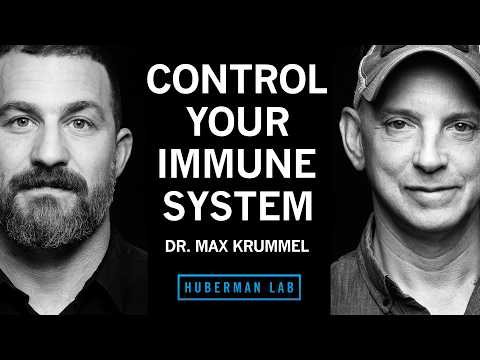
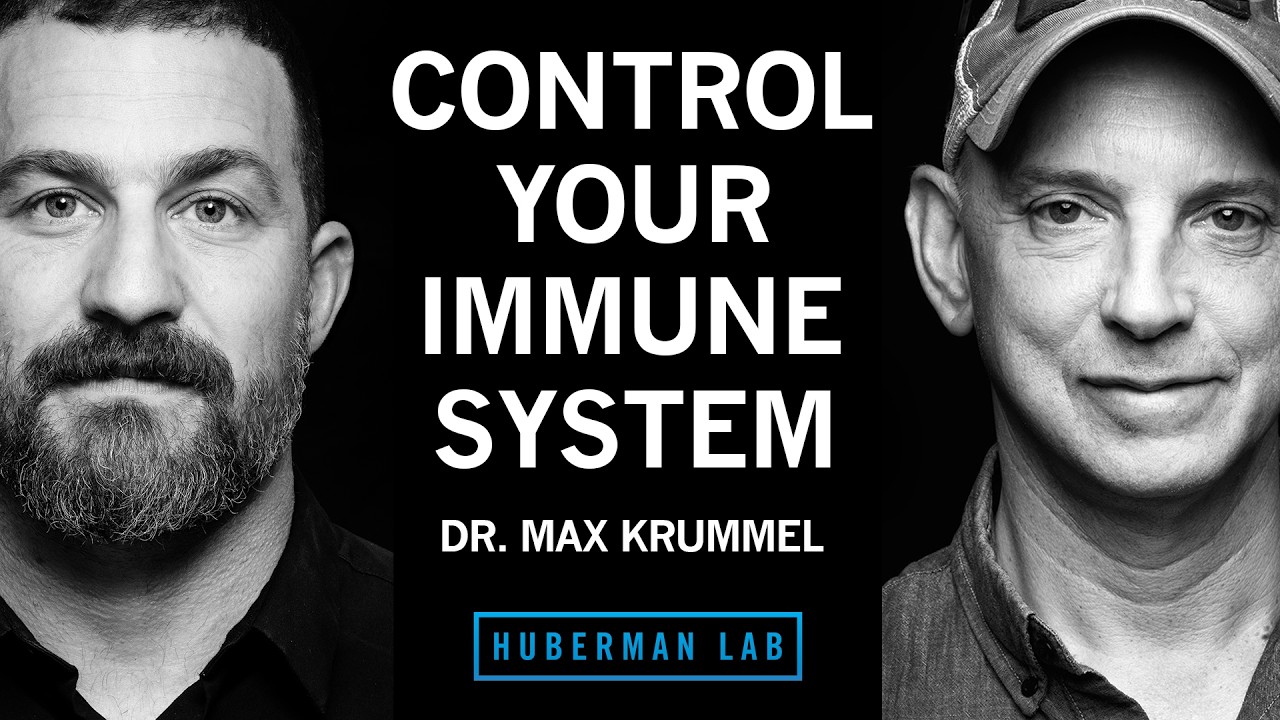
The thumbnail says:
"CONTROL YOUR IMMUNE SYSTEM DR. MAX KRUMMEL HUBERMAN LAB"
Reality:
The thumbnail promises direct control over the immune system, while the episode emphasizes its complexity, unpredictability, and limitations, offering a far more cautious and scientifically grounded perspective.
AI Opinion
Dr. Krummel’s episode provides a compelling overview of the immune system's complexities, particularly highlighting how aging impacts its function and cautioning against unrealistic expectations surrounding stem cell therapies—a message grounded in his expertise. However, claims regarding the potential evolutionary advantages of autoimmune conditions or the precise limits of human lifespan rely on speculative interpretations of biological systems and lack robust empirical support. Listeners should critically evaluate assertions concerning individual vitamin needs and the effectiveness of novel immunotherapies, recognizing that scientific progress is often iterative and context-dependent.
Avatars are AI rewrites of the same facts — style changes, not substance.
Summary
Dr. Max Krummel’s discussion explores the complexities of the immune system, drawing analogies like World War II submarines to explain self-recognition and highlighting how aging increases challenges in identifying threats. He cautions against overstating the benefits of stem cell storage and emphasizes prioritizing vitality and healthspan over extreme longevity. The episode delves into topics such as thymic epithelial cells, circadian rhythms, organ transplantation, and tissue engineering, revealing the unpredictable nature of scientific progress and the importance of context in immune responses. Dr. Krummel also addresses concerns about self-experimentation, declining trust in pharmaceutical companies, and the psychological factors influencing healthcare decisions, while emphasizing the need for rigorous validation and acknowledging that traits once considered detrimental might offer evolutionary advantages. Ultimately, he advocates for a nuanced understanding of biological systems, recognizing their resilience and limitations, and champions public science education to foster informed decision-making.
Avatars are AI rewrites of the same facts — style changes, not substance.
Key Points
The Submarine Analogy for Immune Self-Recognition
Dr. Krummel uses the analogy of World War II submarines and their books to explain how the immune system distinguishes between 'self' and 'non-self'. Submarines used one book to identify friendly US submarine engine sounds, avoiding attacks, and another for German engines, triggering immediate action. This mirrors the immune system’s ability to differentiate between its own cells and foreign invaders like viruses.
The Immune System's Increasing Complexity with Aging
As individuals age, their bodies become increasingly complex, leading to a vast array of biomolecules. Dr. Krummel explains that this complexity makes it more challenging for the immune system to identify unique threats, as viruses may lack distinct markers. The analogy suggests the 'books' used by submarines would need to account for every possible combination of molecules.
Immunology as a Relatively New Field and its Transformation
Dr. Krummel recounts that immunology was considered a nascent field 30 years ago, primarily focused on molecular biology techniques like DNA cloning. The advent of cancer immunotherapy significantly shifted this perspective by demonstrating the ability to modulate immune reactivity and target tumors, revealing that the immune system isn't solely about foreign versus self recognition.
Cancer Immunotherapy and Threshold Adjustment for T-Cell Activation
Dr. Krummel explains how cancer immunotherapy revolutionized immunology by demonstrating the possibility of adjusting the activation threshold for T-cells. This allows previously inactive T-cells to target tumors, effectively raising the bar for immune response and enabling the destruction of cancerous cells that might otherwise evade detection.
The 'Grandfather Effect' and Intergenerational Knowledge
Dr. Krummel discusses the concept of the 'grandfather effect,' a theory suggesting that older generations in small communities pass down valuable information about recurring events (like disease cycles) to younger people, influencing their survival and fitness. This idea posits that genes promoting social behavior in elders can benefit grandchildren by providing this knowledge, though it's difficult to experimentally prove due to ethical and logistical challenges.
Accumulation of DNA Mutations & Cellular Mosaicism
The discussion highlights the constant accumulation of mutations in our DNA over time, even with relatively low mutation rates per cell. Skin cells, for example, experience 10-30,000 mutations daily due to sun exposure. This continuous process leads to cellular mosaicism – where each cell in the body gradually becomes genetically distinct from its neighbors, creating a complex patchwork of genetic variation.
Stability of Neurons and Stem Cells
A key distinction is made regarding the stability of certain cell types. Unlike most cells in the body, neurons within the brain and spinal cord largely remain unchanged since birth, and stem cells residing within bone marrow are protected from environmental factors that could induce mutations. This highlights a specialized strategy for preserving critical cellular functions.
The Immune System's Role in Damage
Dr. Krummel explains that the immune system can contribute significantly to damage and problems caused by viruses, sometimes even as much as the virus itself. This occurs due to a failure of tolerance, where the immune system attacks cells it should recognize as 'self.' He highlights that some viruses can persist within the body without causing harm if the immune system maintains a state of vigilance rather than aggressive attack.
Balancing Immune Response and Survival
The discussion explores the delicate balance between mounting an effective immune response and risking self-inflicted harm. Dr. Krummel uses the example of HCV or HPV infections, suggesting that a restrained immune response allows for survival and reproduction, while an overly aggressive one can be fatal by damaging vital organs like the liver. The 'fuel gauge' analogy illustrates how excessive immune activation can lead to systemic damage.
Proposed Immune System Surveillance Strategy
A novel strategy for immune system function is proposed, suggesting that instead of immediately attacking mutated cells, the system could assess the prevalence of such mutations across different regions or organs. This 'local average' approach would allow for a more nuanced response, potentially distinguishing between harmless cellular variation and genuine threats requiring intervention. The idea draws parallels to how soldiers react in warfare – not always launching an immediate attack.
Immune Accommodation & Cancer
Drawing a parallel with neuronal accommodation, Dr. Krummel suggests the immune system may also exhibit similar adaptation to constant signals. He posits that the immune system differentiates between acute viral infections (with distinct peaks) and slow-developing changes like those seen in cancer cells, which might initially be overlooked due to their gradual increase above normal levels. This highlights a potential deficit in how the immune system handles slowly evolving threats.
Human Evolution & Extended Childhood
Dr. Krummel discusses how the extended period of human infancy and childhood, where offspring are relatively incapable compared to species like giraffes, created selective pressures for parents to remain healthy and capable of raising children. This contrasts with animals that have immediate independence after birth, highlighting a unique evolutionary challenge for humans.
The Mosaic Nature of Aging & Immunity
Dr. Krummel introduces the concept of 'mosaics' in aging, suggesting that traits optimized for early life efficiency might have detrimental effects later in life. This complexity makes it difficult to understand how genes and systems function across an individual’s lifespan, emphasizing the need for thorough scientific investigation.
The Necessity of Experimental Validation in Scientific Discovery
Dr. Krummel stresses that hypotheses alone are insufficient; rigorous experimentation is crucial to validate or refute them. He emphasizes the prevalence of 'dead ends' and disappointments in scientific research, highlighting that even experienced scientists encounter numerous failed experiments before making significant breakthroughs.
The Immune System’s Role in the Central Nervous System
Dr. Krummel recounts a historical shift in understanding, noting that the central nervous system was once considered an ‘immuneprivileged organ,’ devoid of immune cells. Recent research, spearheaded by scientists like Carla Shatz and Ben Barres, has revealed the active presence and critical roles of the immune system within the brain throughout life.
Stem Cell Storage and Realistic Expectations
Dr. Krummel cautions against overemphasizing stem cell storage, particularly umbilical cord banking, as a guaranteed solution for future health problems. He highlights that even if stem cells are stored, individuals may succumb to unrelated causes like accidents before they can be utilized. Furthermore, the technology and understanding surrounding stem cell therapies are not always immediately ready when needed, emphasizing a balanced perspective on preventative measures.
Focusing on Vital Health vs. Extreme Longevity
Dr. Krummel expresses less fascination with the pursuit of extreme longevity (living to 120 or never dying), suggesting it may be a genetic limit currently. Instead, he prioritizes maintaining vitality and health in one's existing years – emphasizing mobility, cognitive function, and memory as critical aspects of well-being. This perspective encourages a focus on quality of life rather than solely extending lifespan.
Thymic Epithelial Cells & Immune System Education
Discussing thymus removal, Dr. Krummel clarifies that the issue isn't necessarily the organ itself but rather the thymic epithelial cells within it. These cells are crucial for educating immune cells originating from the bone marrow. He notes research suggesting these cells can be replicated artificially, potentially bypassing the need for invasive surgery and indicating a more nuanced understanding of immune system function.
The Unpredictability of Scientific Progress
Dr. Krummel reflects on the unpredictable nature of scientific breakthroughs, citing examples like cart T-cell therapy for cancer where progress has been slower than initially anticipated. He emphasizes that discovery often involves periods of frustration and unexpected setbacks, highlighting the inherent uncertainty in research and challenging overly optimistic timelines.
Superkaismatic Nucleus & Circadian Rhythms
Dr. Krummel discusses the superkaismatic nucleus, a small cluster of neurons above the roof of the mouth that organizes circadian rhythms in every cell of the body at the genetic and transmitter level. Remarkably, even a small subset (5%) of these neurons, when transplanted elsewhere, can restore circadian rhythm to an arrhythmic animal, suggesting a secreted factor or critical function independent of location.
Pancreatic Tissue Transplantation & Immune Response
Dr. Krummel mentions experiments involving transplanting pancreatic tissue under the skin, noting that while it can regain some function, this is not ideal and highlights a key consideration for organ transplantation: the recipient's immune system’s response. He explains that if someone with diabetes receives transplanted pancreatic cells, their immune system may attack them due to autoimmunity.
Immune System Compartmentalization - Migration vs. Residency
The discussion explores the duality of immune cell behavior – some cells migrate throughout the body, while others reside in specific tissues providing localized protection. This compartmentalization is crucial for optimal immune function and raises questions about whether spatial organization is essential or if it can be overridden to achieve functionality.
Organ Survival & Immune Acceptance
When considering organ transplantation, Dr. Krummel emphasizes two critical factors: whether the transplanted organ can obtain necessary resources like blood flow and growth factors in its new location, and whether the recipient’s immune system will accept it. He explains that spatially resident immune cells can be defensive against foreign substances within their specific areas.
Tissue Engineering and the Immune System
When introducing new genes into cells for tissue engineering using viral vectors or plasmids, those cells acquire a 'new bit of identity.' Upon transplantation, this engineered organ is recognized as foreign by the recipient's immune system, similar to an infected cell. This triggers a strong immune response because the transplanted cells express novel and potentially viral components, presenting a significant hurdle in regenerative medicine.
Importance of Context in Immune Response
Dr. Krummel emphasizes that the immune system's response isn’t uniform; it depends heavily on context, drawing an analogy to biological systems and wound healing. A study on mouse wound healing revealed distinct zones where different cellular processes occur, creating gradients of signaling. Therefore, administering peptides or cells requires careful consideration of their location and intended effect within the tissue.
Dose-Dependent Effects & Anecdotal Evidence
A critical challenge lies in understanding when a substance is beneficial versus harmful, as its effect can be highly dependent on the dose and timing. The rise of self-experimentation coupled with anecdotal evidence shared online poses a risk because these experiences are often not rigorously documented as scientific studies, making it difficult to distinguish correlation from causation.
Limitations of Self-Experimentation
Dr. Krummel expresses concern about the increasing trend of individuals conducting self-experiments without proper data collection or scientific rigor. This lack of controlled studies leads to a proliferation of anecdotal evidence online, which can be misinterpreted as reliable data and potentially mislead people into believing unsubstantiated claims about health interventions.
The Psychology of Parental Decisions
Dr. Krummel discusses the psychological complexities surrounding parental decisions, particularly when those choices have unintended consequences. He highlights that parents often make decisions based on what they believe is best at the time, leading to a mix of guilt and anger when things don't go as planned. This underscores the importance of understanding the emotional factors involved in healthcare choices.
Erosion of Pharma Trust & Self-Experimentation
Dr. Krummel observes a decline in public trust towards pharmaceutical companies, attributing it to aggressive advertising and the prevalence of medications with adverse side effects that outweigh their benefits. He notes a growing trend of individuals sourcing peptides and other treatments from unregulated online sources, reflecting a desire for greater control over one's health but also raising safety concerns.
American Individualism & Distrust of Authority
Drawing parallels to the American pioneering spirit, Dr. Krummel explains how a sense of individualism and self-reliance can lead people to question authority and seek independent solutions for their health concerns. This is exacerbated by communication breakdowns and a lack of transparency within the healthcare system, fostering skepticism towards established institutions.
Lack of Incentive for Predictive Biomarkers in Cancer Treatment
Dr. Krummel points out a significant issue within the pharmaceutical industry: the lack of incentive to develop biomarkers that predict patient response to drugs like checkpoint inhibitors in melanoma treatment. Even though these drugs have a 50% chance of curing cancer, all patients receive them, and companies are hesitant to create tests that would reveal non-responders as it would halve their market share.
The Concept of Extensibility in Biological Systems
Dr. Krummel explains the concept of 'extensibility' or 'orthogonality,' which is crucial for understanding how biological systems respond to interventions. He uses the analogy of dropping a coffee cup – gravity’s predictable effect can be harnessed, but not all phenomena are extensible; some actions could destabilize the entire system. This highlights that while humans demonstrate remarkable resilience across extreme temperatures and prolonged periods without food, certain disruptions can have catastrophic consequences.
The Importance of Resilience in Human Survival
Dr. Krummel emphasizes that human resilience – the ability to withstand extreme conditions like temperature fluctuations and prolonged fasting – was essential for our species' survival. He argues that these pressures and environmental varieties have shaped our physiology, making us remarkably adaptable. He suggests that a lack of this resilience would have prevented humanity’s existence.
The Pursuit of 'One-and-Done' Cures and Their Limitations
Dr. Krummel discusses the scientific pursuit of ‘one-and-done’ drugs – treatments that permanently cure a disease with a single dose. While acknowledging some successes, like checkpoint blockade in melanoma (which eliminates tumors in about 50% of patients), he cautions against this approach due to its inherent lack of resilience. He explains that biological systems are often complex and vulnerable; relying on a single intervention can create exploitable weaknesses for viruses or other pathogens.
The Potential Role of AI in Complex Biological Research
Dr. Krummel contemplates the role of Artificial Intelligence (AI) in advancing complex biological research, particularly regarding pushing cells to new states and understanding intricate interactions within tumors. He suggests that while AI excels at analyzing existing data ('the corpus'), true discovery requires experimentation beyond what's already known. He posits that AI could be a valuable tool for navigating the complexity of biological systems.
Autoimmunity as an Evolutionary Advantage
Dr. Krummel suggests that autoimmunity, such as psoriasis, might have a surprising evolutionary benefit. He explains that the diversity within the human population, including individuals with autoimmune conditions, is crucial for survival and adaptation to various environmental challenges. This perspective highlights how traits once considered detrimental can actually contribute to the resilience of the species by allowing populations to overcome new threats.
The Bacterial Culture Analogy
To illustrate the concept of genetic diversity, Dr. Krummel uses an analogy involving bacterial cultures grown on glucose versus galactose. Initially, fast-growing bacteria dominate in a glucose environment, but when switched to galactose, slower-growing bacteria emerge and thrive. This demonstrates how seemingly 'loser' genes can become advantageous under different conditions, contributing to overall population resilience.
Variability in Vitamin Requirements
Dr. Krummel emphasizes that individual vitamin requirements vary significantly due to differences in metabolic enzymes. He points out that FDA-recommended daily allowances are averages, and some individuals may need substantially more or less of certain vitamins based on their unique physiology. This underscores the limitations of standardized nutritional guidelines and the importance of personalized approaches.
The Value of Public Science Education
Dr. Krummel discusses his decade-long effort to educate the public about science and health, stemming from a conversation with colleagues concerned about issues within scientific communication. He emphasizes the importance of accessible explanations and nuanced perspectives, particularly in navigating complex topics like immunology and emerging therapies. His Substack serves as a platform for sharing these insights.
Chapters
Claims & Fact Check
The immune system's primary function is distinguishing 'self' from 'non-self'.
Aging increases the complexity of the body, making it harder for the immune system to identify unique threats.
Immunology was a relatively undeveloped field just 30 years ago.
Cancer immunotherapy has fundamentally changed our understanding of the immune system’s capabilities.
Skin cells experience 10-30,000 mutations per cell per day due to sun exposure.
Neurons in the brain and spinal cord largely remain unchanged since birth.
Stem cells within bone marrow are protected from environmental factors that could induce mutations.
The immune system can cause as much damage and problem as the virus itself.
Mounting a massive immune response can kill you.
The immune system could surveil multiple regions in the body to assess mutation levels.
There may be a negative viewpoint that there isn't as much pressure to be healthy.
Early efficiency might actually be bad for us as we get older.
One control experiment can nuke your whole project.
Stem cell therapies may not be a guaranteed solution for future health problems.
Living to 120 might be the current genetic limit for human lifespan.
Cart T-cell therapy has not consistently worked in patients despite initial promise.
Transplanting a small subset of circadian rhythm neurons can restore rhythm to an arrhythmic animal.
Spatial compartmentalization of immune cells is essential for optimal function.
The immune system will attack transplanted pancreatic cells in individuals with diabetes.
It's more than likely that one out of nine experiments would work.
Tumors are happy to thrive in novel environments.
We're going to be able to use our own cells or peptides to overcome issues our parents and grandparents couldn’t.
The legitimacy of pharma companies has fallen into even worse straits than before.
Pharma companies have no incentive to develop a test that shows who is and who isn't going to respond to checkpoint drugs.
Most scientists are working hard to discover important things for mankind.
Scientific papers often exaggerate the importance of findings to garner interest.
Checkpoint blockade is a 'one-and-done' drug with a 50% success rate in melanomas.
Most biological systems are super non-resilient if you have one button to push.
AI is quite good at producing stuff that is in the corpus of knowledge.
Autoimmune conditions like psoriasis can be adaptive in modern contexts.
Having genetic traits that predispose some to disease can also provide protection against other threats.
Individual vitamin requirements vary significantly, and FDA guidelines are averages.
Was this digest good?
More from Huberman Lab
Essentials: How to Become Resilient, Forge Your Identity & Lead Others | Jocko Willink
Jul 30, 2026
Accelerate Learning & Increase Cognitive Capacity | Dr. Tommy Wood
Jul 20, 2026
The Science & Treatment of Bipolar Disorder | Huberman Lab Essentials
Jul 16, 2026
How to Improve Your Memory & Cognitive Function at Any Age | Dr. Alan Castel
Jul 13, 2026
Digest any single YouTube video — free.
3 free digests — no card, no sign-up wall.
Or just swap the domain of any YouTube link → instant digest