Clickbait Checker
The video title says:
"The Happiness Expert: How to Find Your Purpose & Live a Meaningful Life"
Reality:
The episode discusses finding purpose through accessible practices like cultivating awe, serving others, and introspection, but doesn't present a single 'method' as the thumbnail suggests.

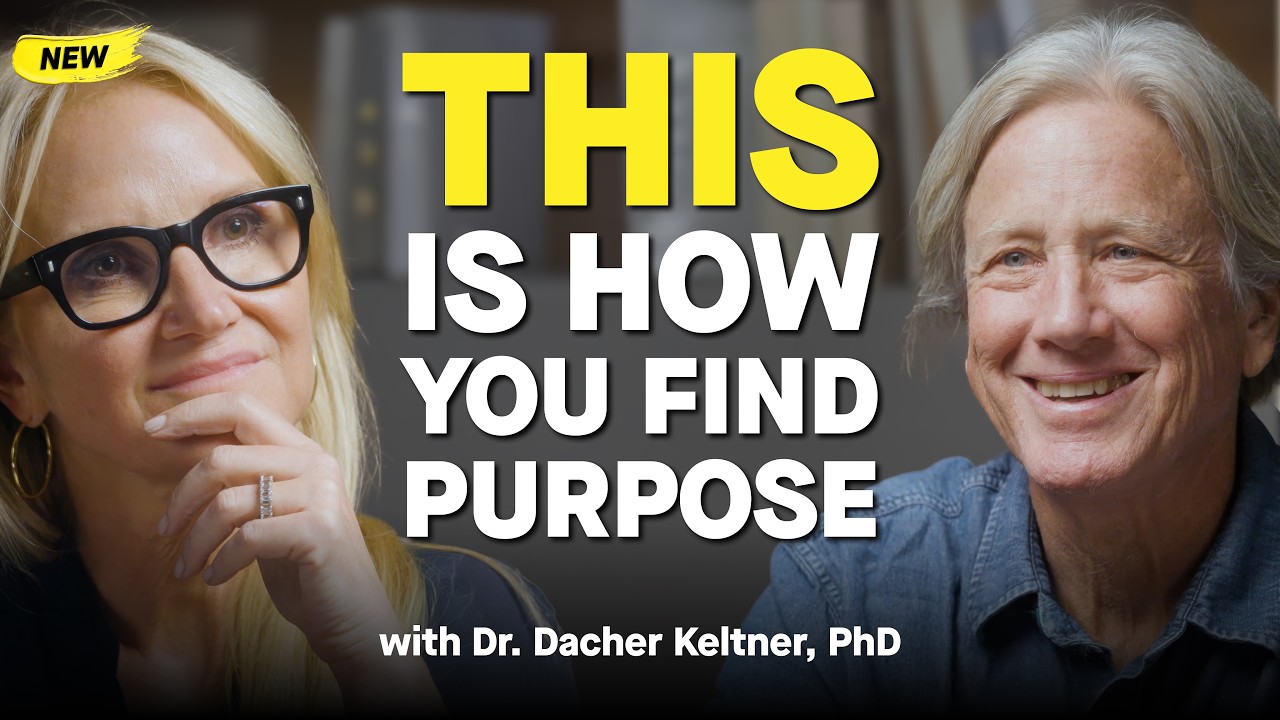
The thumbnail says:
"NEW THIS IS HOW YOU FIND PURPOSE with Dr. Dacher Keltner, PhD"
Reality:
While Dr. Keltner is featured and the topic of purpose is addressed, the thumbnail’s promise of revealing *how* to find purpose implies a specific technique that isn't delivered.
AI Opinion
The episode persuasively argues that cultivating awe through readily available experiences—nature, music, connection—can significantly improve well-being and contribute to a sense of purpose, supported by verifiable claims about the benefits of awe on brain health and its accessibility. However, the assertion that finding one’s calling is a central challenge for the next 40 years feels speculative without broader demographic data, and while the link between stress levels and younger generations is mentioned, it lacks specific source attribution. Listeners should consider whether Dr. Keltner's emphasis on individual practices adequately addresses systemic factors influencing purpose and meaning in contemporary society.
Voices are AI rewrites of the same facts — style changes, not substance.
Summary
This episode explores the pursuit of purpose and a meaningful life, emphasizing that it’s often found through simple, accessible practices rather than significant career changes or financial gains. Dr. Keltner highlights the importance of cultivating awe – experiencing moments of wonder through nature, art, music, or connection with others – which has been shown to improve brain health, reduce inflammation, and combat feelings of stress and loneliness. Finding purpose is frequently linked to serving others and identifying one’s core strengths and values; volunteering and acts of kindness are presented as effective ways to foster a sense of agency and connection. The discussion also underscores the need for introspection and inquiry into life's larger questions, suggesting that even small shifts in focus – like appreciating beauty or practicing compassion – can significantly contribute to overall well-being and a more purposeful existence.
Voices are AI rewrites of the same facts — style changes, not substance.
Key Points
Purpose Can Be Found in Service to Others
Dr. Keltner explains that realizing one's purpose often stems from identifying how they are serving the world, leading to a sense of power and agency. He cites his own experience after losing his brother as an example, where finding purpose came through committing to kindness towards others, drawing on traditions like Confucianism and Abrahamic faiths.
Small Acts of Kindness and Volunteering Combat Exhaustion
When feeling exhausted or purposeless, Dr. Keltner suggests returning to the tradition of volunteering. He notes that 40% of Americans volunteer, highlighting it as a culturally ingrained way to find meaning and purpose even in small moments, like helping someone cross the street.
Identifying Core Strengths and Values is Key to Finding Calling
Dr. Keltner emphasizes that finding one's calling involves introspection – considering core strengths, desired communities, and who one wants to serve. He references Amy Newsome’s example of a hospital worker finding purpose in cleaning bedpans by recognizing the vital service they provide.
Reintroducing Inquiry is Essential for Meaning-Making
Dr. Keltner argues that modern society has lost a crucial element of past generations – structured inquiry into life's big questions, like the nature of existence and divinity. He encourages individuals to actively seek out these inquiries, suggesting practices like attending religious services or engaging in philosophical reflection as starting points.
Defining Purposefulness vs. Purposelessness
Dr. Keltner explains that purposefulness is characterized by a sharp mental focus, while purposelessness feels diffuse and vague. A sense of purpose arises when individuals feel their actions are connected to something larger than themselves, suggesting a shift away from self-centeredness towards contributing to a greater cause.
Purpose isn't tied to career or income
Dr. Keltner emphasizes that finding purpose doesn’t necessarily involve a career change or increased income. Instead, it can be found in weekend activities and prioritizing enjoyment – engaging in creative pursuits like writing, joining a book club, or even appreciating art forms such as stand-up comedy. This shift reframes purpose as something accessible and integrated into daily life beyond professional obligations.
Core strengths reveal what makes you 'come alive'
The discussion highlights that core strengths, such as creativity, justice, or transcendence, aren't about proficiency but rather about feeling authentically yourself. When engaging in activities aligned with these strengths – whether it’s writing a poem, arguing for fairness, or appreciating art – individuals experience a sense of aliveness and connection to their true selves, regardless of skill level.
Inspired moments provide data about values
Reflecting on past inspirations and influential figures offers valuable insights into one's core values. These reflections act as a compass, guiding decisions related to volunteer work, friendships, and leisure activities. By examining what moves you, you gain data about what truly matters, allowing for more intentional choices in how you spend your time.
The Dalai Lama's wisdom on compassion
Dr. Keltner shares a profound insight from the Dalai Lama: practicing compassion is key to both personal and collective happiness. This concept, that kindness is a fundamental human nature, suggests a simple yet powerful path towards finding meaning – actively cultivating compassion in interactions with others. It provides a practical framework for living a purposeful life.
The Science of Happiness & Simple Practices
According to Dr. Keltner's research, while factors like financial stability and health contribute to happiness, the most impactful changes often come from internal practices. He emphasizes the importance of cultivating moments of joy, beauty, laughter, gratitude, awe, love, and kindness – even just for a few minutes each week – as key components in improving one’s overall wellbeing.
Awe Reduces Inflammation and Requires No Money
Dr. Keltner explains that experiencing awe, even for a few minutes daily (like observing a sunset), can reduce inflammation in the body. He emphasizes that accessing awe doesn't require financial resources; it’s about appreciating opportunities around us and actively seeking them out. This aligns with data suggesting money often hinders rather than facilitates feelings of awe.
Eight Wonders to Cultivate Awe
Dr. Keltner outlines eight 'wonders' that can be used to cultivate awe, including nature (sky, trees), moral beauty (inspiring figures), collective movement (yoga, concerts), visual art, music, ideas you care about, and reflection on the life cycle. He suggests using these as prompts for focused attention and sensory engagement to trigger feelings of awe.
The Importance of Sensory Detail in Awe
During a guided experiment with flowers, Dr. Keltner emphasizes the importance of shifting focus from small details to vast patterns when experiencing awe. He encourages participants to observe the intricacies of individual petals and then expand their gaze to appreciate the overall arrangement and color palette, highlighting how this process can deepen the experience.
The Growing Need for Purpose & Meaning
Dr. Keltner highlights that finding purpose will be a central challenge over the next 40 years, particularly given current societal stressors and anxieties. He suggests that individuals possess an innate sense of how to improve their lives and the world around them, but often need encouragement and practices to tap into this potential.
Brain Health Benefits of Awe Walks
Dr. Keltner mentions a study showing greater brain health six years after participants engaged in awe walks, suggesting a long-term positive impact on cognitive function. This highlights the potential for regular practice of awe-inducing activities to contribute to sustained neurological well-being and resilience over time.
Personalized Awe Walks & Heart Shape Game
One participant describes adding a personal twist to the all-walking practice by playing a game of identifying naturally occurring heart shapes in their surroundings. This demonstrates how individuals can adapt and personalize awe practices, turning them into playful routines that foster appreciation for everyday beauty.
Shifting Focus from Fear to Awe
Dr. Keltner references a Buddhist practitioner's insight emphasizing the importance of shifting focus away from fear and towards recognizing the miracles of life. He acknowledges that while fear is often present due to global issues like climate change and economic instability, pausing to appreciate beauty can offer a counterbalance and perspective.
Eleanor Roosevelt's Prayer for Recognizing Beauty
Dr. Keltner shares Eleanor Roosevelt’s nightly prayer, which involved seeking out “simple beauties” and recognizing the “hidden loveliness of people.” He suggests this practice can be a powerful tool for cultivating gratitude, connection, and finding joy even during challenging times.
Awe's Impact on Mental Health
Dr. Keltner describes awe as an emotion experienced when encountering vast or incomprehensible things, emphasizing its profound benefits for mental and physical health. He suggests that even a minute of daily awe can reduce depression, anxiety, stress, loneliness, and foster a greater sense of connection and purpose.
Chapters
Claims & Fact Check
57% of Mel Robbins podcast viewers are not subscribers.
?UnverifiedMoney matters a little for happiness, but internal practices have more impact.
±Partially supportedStress levels are higher and younger people are struggling.
±Partially supportedRealizing your purpose often involves identifying how you serve the world.
?Unverified40% of Americans find meaning through volunteering.
?UnverifiedFinding one’s calling is a central challenge for the next 40 years.
±Partially supportedPurpose can be found in activities unrelated to one's career.
±Partially supportedReflecting on inspirations provides data about what makes you come alive.
?UnverifiedKindness is a basic state of human nature.
±Partially supportedExperiencing awe reduces inflammation in the body.
?UnverifiedFinding awe does not require money.
?UnverifiedMusic is a powerful source of awe and can evoke emotional responses.
✓Well-supportedEngaging in awe walks can lead to greater brain health six years later.
?UnverifiedShifting focus from fear to recognizing beauty is crucial for well-being, even amidst global crises.
±Partially supportedNoticing simple beauties doesn't cost anything and is accessible to everyone, regardless of location or circumstance.
?UnverifiedMore from The Mel Robbins Podcast

How to Increase Your Emotional Intelligence & Never Get Angry or Bothered by Anyone
Jul 16, 2026

How to Build a Better Future: 2 Simple Questions That Uplevel Your Life Immediately
Jul 11, 2026

8 Simple Reminders You Need to Hear Right Now
Jul 9, 2026

Try it For 1 Week: Small Ways to Make Your Life Fun & Exciting Again
Jun 22, 2026