Clickbait Checker
The video title says:
"14 Patterns Behind the World’s Greatest Minds - David Senra"
Reality:
The title accurately reflects the episode's exploration of recurring patterns observed in successful and creative individuals, though it might imply a more prescriptive 'formula' than is presented.
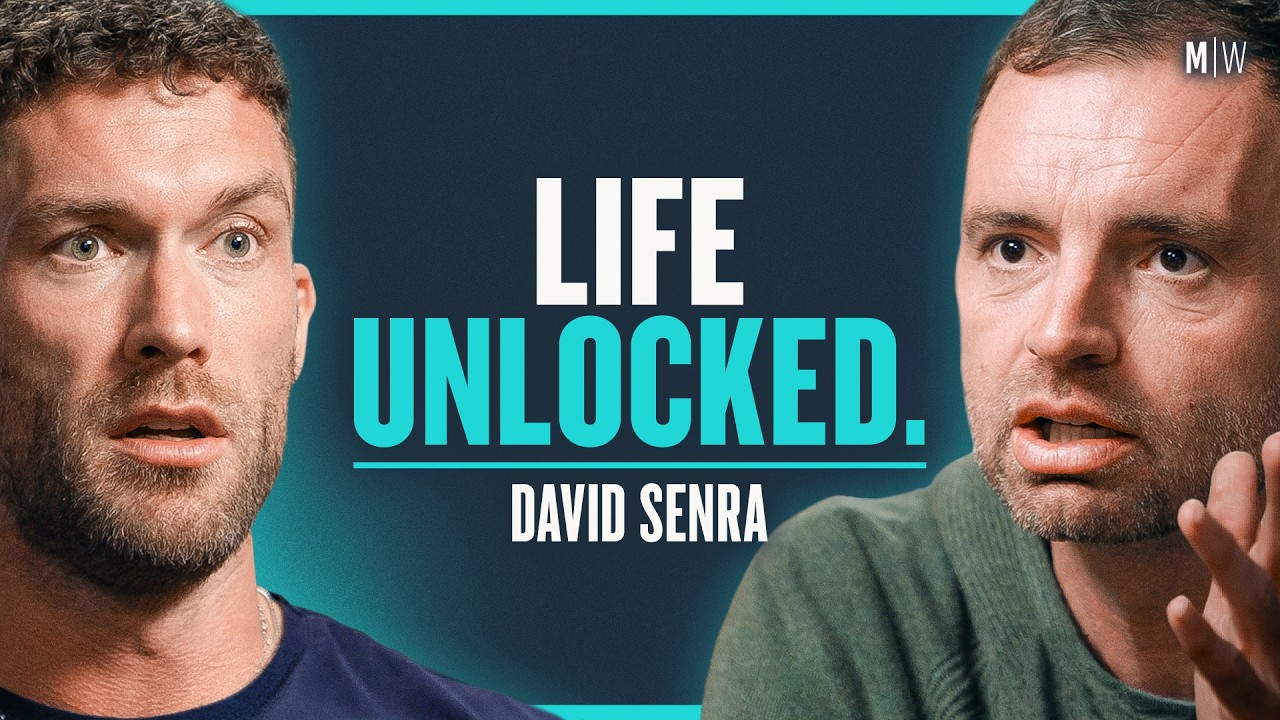
The thumbnail says:
"LIFE UNLOCKED. DAVID SENRA M|W"
Reality:
While the thumbnail’s ‘LIFE UNLOCKED’ hook aligns with the theme of gaining insights from these minds, it overpromises a simple solution or readily available life hack that isn't truly delivered by the episode's nuanced discussion.
AI Opinion
The episode most convincingly argues for the importance of perseverance and continuous improvement, supported by compelling anecdotes from figures like James Dyson and Rick Rubin’s admission of needing discipline despite immense success. However, claims regarding Rick Rubin's early career impact ("founded one of the most important hip-hop record labels") and the power of positive affirmations to "literally change your brain" require further scrutiny; while plausible, they are presented without sufficient supporting evidence beyond the interviewees’ assertions. Listeners should also consider that attributing Kanye West’s decline solely to megalomania is an oversimplification and that the moral obligation to share beneficial ideas may be a subjective interpretation rather than a universal truth.
Voices are AI rewrites of the same facts — style changes, not substance.
Summary
This episode explores patterns of success and creativity, drawing from interviews with figures like Rick Rubin, Jimmy Iane, James Dyson, and Dana White. A recurring theme is the paradox of motivation: even highly successful individuals often find the daily work unpleasant and require discipline to persevere, as exemplified by Rick Rubin’s admission of being a “lazy workaholic.” The episode highlights the importance of continuous improvement, demonstrated by James Dyson's iterative product development process and his hands-on approach to manufacturing. Jimmy Iane emphasizes that genuine kindness is crucial for long-term achievement, while Dana White embodies authenticity in both professional and personal interactions. Furthermore, the discussion expands on the definition of entrepreneurship beyond traditional business creation, advocates for sharing beneficial ideas widely, and underscores the value of curating one’s information diet to foster positivity and avoid pitfalls like megalomania. Ultimately, the episode encourages listeners to prioritize their own preferences in creative endeavors and recognize that finding one's path is a unique journey with no fixed timeline.
Voices are AI rewrites of the same facts — style changes, not substance.
Key Points
Rick Rubin's 'Lazy Workaholic' Paradox
Despite his immense success and reputation, Rick Rubin admitted to being a 'lazy workaholic,' revealing that he often has to force himself to do the work he does. He enjoys the act of creation and finishing projects but finds the long process—sometimes involving thousands of takes—unpleasant, waking up each day feeling reluctant to start. This surprising admission resonated with many who also struggle with finding motivation in their careers.
Rick Rubin's Early Career Sacrifice
Rubin described his early career as demanding, characterized by seven days a week and sixteen hours a day spent in a recording studio. This intense dedication highlights the sacrifices often required to reach the pinnacle of any profession. He noted that he now has more control over his life but acknowledges the immense effort it took to achieve that position.
The Value of Creative Breakthroughs
Rick Rubin finds motivation not in the daily grind, but in those moments of creative breakthrough—the 'Oh, now we got it' moment after repeated experimentation and failure. This highlights that even for highly successful individuals, the process isn’t always enjoyable, and the reward lies in overcoming challenges and achieving a desired outcome.
The Importance of Contextual Knowledge for Creative Problem Solving
David Senra explains that Rick Rubin’s exceptional ability to solve creative problems stems from his vast, encyclopedic knowledge base. He draws inspiration and solutions by referencing historical precedents, as exemplified by his practice of randomly selecting passages from books with musicians to spark new ideas and conversations during recording sessions. This demonstrates the value of a broad understanding across disciplines for innovation.
Repetitive Affirmations for Brainwashing
The speaker recounts a story of someone who, to improve their public speaking abilities, repeatedly wrote positive affirmations (like 'I love public speaking') 100 times daily for weeks. This method is described as a form of self-brainwashing that demonstrably altered the person's comfort and skill in public speaking, highlighting the brain’s plasticity.
Curating an Information Diet
The speaker emphasizes the importance of consciously selecting one’s information sources to avoid negativity and pessimism. He describes his own 'information diet' consisting primarily of old books and conversations with intelligent individuals, prioritizing those interactions that leave him feeling energized and inspired rather than drained.
Postcontent Clarity as a Metric for Content Quality
The concept of 'postcontent clarity' is introduced, drawing an analogy to 'postnut clarity'. This refers to the feeling one has after consuming content – whether it inspires action and positivity or leaves one feeling depleted and needing recovery. The speaker suggests using this feeling as a gauge for evaluating the quality and impact of media consumption.
The Dangers of Empty Success
The speaker warns against pursuing success without genuine resonance or personal investment. He argues that it's possible to achieve external markers of success—a large platform, recognition—without experiencing the intrinsic satisfaction and fulfillment that comes from doing work aligned with one’s values, leading to a sense of emptiness.
The Importance of Time & Finding Your Path
David Senra emphasizes that finding one's path is a personal journey with no fixed timeline. He shares his own experience, noting it took him 32 years to find his path and another five and a half years before he could financially support himself. This contrasts with examples like Kobe Bryant finding his at age 13 or Henry Leland discovering Cadillac at 60 and Lincoln Motors at 70, illustrating the varied timelines for professional fulfillment.
Dana White's Authentic Communication
The conversation highlights Dana White’s remarkable ability to maintain consistency between his public persona and private behavior. The speaker admires that there is no discernible difference in how he communicates during press conferences or podcasts compared to interactions in private settings, suggesting a high degree of authenticity and transparency.
Reframing Mistakes as Opportunities for Growth
Drawing from Dana White's philosophy, the discussion pivots to reframing mistakes not as failures but as evidence of active engagement and a willingness to try. This perspective encourages individuals to embrace errors as learning opportunities rather than something to be avoided, aligning with a mindset of continuous improvement and experimentation.
Dana White's Support for Entrepreneurs
The speaker reveals that Dana White demonstrates a profound passion for entrepreneurship, even surpassing his enthusiasm for fighting. He dedicates significant time to meeting with entrepreneurs, offering advice and occasional investments, showcasing a commitment to fostering innovation and supporting the creation of new businesses.
The Importance of Ruthless Editing in Relationships
David Senra emphasizes the necessity of 'ruthlessly editing' who has access to your time and energy. He recounts a conversation with Daniel Ek, founder of Spotify, who advised prioritizing relationships based on trust and discernment. Senra explains that if developing a friendship, it’s wise to seek validation from trusted individuals before fully committing, as initial interactions may not accurately reflect the person's true character.
The 'House on a Mountain' Metaphor for Creative Work
Drawing from Rick Rubin’s book, *The Creative Act*, Senra introduces the metaphor of designing a house on a mountain that no one will ever see. This represents creating solely for personal satisfaction and intrinsic motivation, rather than external validation like applause or market demand. Rubin's point is to create what you genuinely desire, as this reveals your true preferences and authentic creative direction.
Focusing on Personal Preference in Creative Endeavors
Senra reinforces the concept that creators should prioritize their own tastes when producing content, rather than catering to an audience or market trends. He argues that it's unlikely one is unique in their preferences and that creating what you enjoy listening to will naturally resonate with others who share similar interests. This approach allows for genuine expression and avoids chasing fleeting popularity.
Function Hormone Testing Service
The speaker introduces Function, a service providing comprehensive hormone testing. It offers access to over 160 lab tests with clinician review and personalized protocols for actionable next steps based on results. This level of testing typically costs thousands but is available through Function for $365 annually, or $1 per day, allowing users to move beyond guesswork in their health management.
The Defiant Ones Documentary
David Senra recommends the documentary 'The Defiant Ones,' which explores the decades-long working partnership between Jimmy Iane and Dr. Dre. He describes it as a compelling look at entrepreneurship and the personalities involved, highlighting Dr. Dre's exceptional talent and Jimmy Iane’s extensive experience in the music industry.
Jimmy Iane's Perspective on Success
According to Jimmy Iane, a highly successful music industry figure, the most crucial factor for success is simply being a 'good person.' This means acting without selfish motives and prioritizing others' well-being. He emphasizes that truly good people are rare and essential for long-term achievement.
The Four Reasons People Fail at Success
Jimmy Iane identifies four common pitfalls that lead to failure, even for talented individuals. These include substance abuse (drugs and alcohol), megalomania stemming from excessive praise, difficulties transitioning between public persona and personal life, and issues related to relationships with women. Avoiding these traps is crucial for sustained success.
Perseverance Inspired by James Ice's Story
The speaker recounts a period of financial difficulty in his early podcasting days, losing money each month. He was motivated to persevere after reading James Ice’s book and learning that Ice had struggled for 14 years before achieving success. This inspired him to commit to at least one year, demonstrating the power of relatable narratives in fostering resilience.
James Dyson's Hands-On Approach
The speaker emphasizes that James Dyson is not an absentee executive but actively involved in the manufacturing, engineering, and design processes. He describes Dyson’s physical appearance—particularly his large hands resulting from constant manual work—as a testament to his dedication and involvement at every level of his business.
Dyson's Continuous Improvement Philosophy
David Senra explains James Dyson’s unique approach to innovation, which involves repeatedly refining a product through iterative improvements. He illustrates this with the example of Dyson continually improving a coffee cup over an extended period—a process he repeated for 45 years without stopping. This highlights Dyson's focus on consistent incremental progress.
Avoiding Megalomania Through Continuous Work
The speaker contrasts successful individuals who attribute their success to themselves with James Dyson’s humility and focus on the work itself. He posits that by consistently engaging in improvement activities, one avoids the pitfalls of megalomania and the potential for dramatic failures seen in figures like Kanye West or Conor McGregor.
Entrepreneurship Defined Broadly
David Senra expands the definition of entrepreneurship beyond traditional business creation. He argues that anyone who has an idea and actively works to bring it into existence is an entrepreneur, citing examples like podcasters, filmmakers, Amazon builders, and even athletes. This broad perspective emphasizes the proactive nature of innovation across diverse fields.
Moral Obligation to Share Beneficial Ideas
Senra posits that if one believes their work or ideas are beneficial to others, there's a moral obligation to disseminate them widely. This concept suggests a responsibility beyond personal gain, encouraging creators and innovators to actively share their insights with as many people as possible. He frames this as an ethical imperative for those who believe in the value of their contributions.
Chapters
Claims & Fact Check
Rick Rubin founded one of the most important hip-hop record labels in his dorm room when he was 18 or 19.
?UnverifiedRick Rubin has been feeling like he needs to force himself to work for four decades.
?UnverifiedThe team took a two-week break from the new show because one of the team members is getting married in Italy.
?UnverifiedRick Rubin's context window for music is bigger than anybody else’s.
?UnverifiedRepetitive positive affirmations can literally change your brain.
?UnverifiedPeople should be very careful about what they consume online, as it influences them powerfully.
±Partially supportedIt's possible to achieve success without feeling fulfilled or connected to the work.
?UnverifiedIt took Henry Leland 60 years to find Cadillac.
?UnverifiedDana White holds press conferences that are typically 20-30 minutes long.
?UnverifiedDana White has met with over a hundred entrepreneurs in the last year.
?UnverifiedDaniel Ek, founder of Spotify, advises ruthlessly editing who has access to your time.
?UnverifiedRick Rubin suggests creating as if you're designing a house on a mountain that no one will ever see.
?UnverifiedCreators should focus on making what they want to consume, rather than catering to an audience.
?UnverifiedFunction provides hormone testing for $365 annually.
?UnverifiedJimmy Iane believes the most important trait for success is being a 'good person'.
?UnverifiedKanye West's decline was due to megalomania.
±Partially supportedJames Ice struggled for 14 years before achieving success.
?UnverifiedJames Dyson reads his biographies multiple times and studies inventions extensively.
?UnverifiedDyson continuously improves products, even seemingly insignificant ones like a coffee cup, over extended periods.
?UnverifiedIf you feel that modern wisdom is good for people then you have a moral obligation to get it to as many people as possible.
±Partially supported