Clickbait Checker
The video title says:
"세계를 집어삼키고 있는 중국의 기술을 누가 막아낼 수 있을까? | 과학을 보다 EP.208"
Reality:
The episode does analyze China's technological rise and competition with the US, but the title's framing as a direct question about who can stop China is only partially addressed, with much of the episode covering unrelated scientific topics like salt deserts and SpaceX.
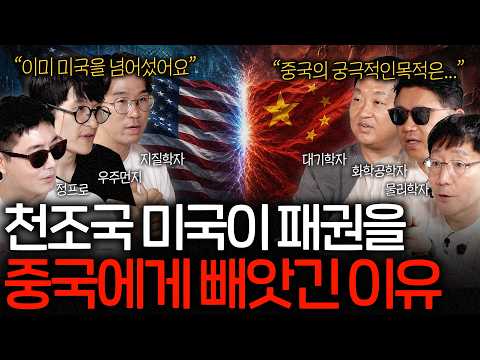
The thumbnail says:
""이미 미국을 넘어섰어요" "중국의 궁극적인목적은..." 정프로 우주면지 지질학자 대기학자 화학공학자 물리학자 천조국 미국이 패권을 중국에게 빼앗긴 이유"
Reality:
The thumbnail claims America lost hegemony to China and explains why, but the episode only touches on this as one of many topics, without a deep or exclusive focus on the reasons for US decline.
AI Opinion
The episode makes its strongest case when framing China’s rise as a strategic, multi-pronged effort—particularly the contrast between Beijing’s top-down funding of quantum computing and the West’s bottom-up model, which plausibly explains China’s rapid catch-up in applied fields. The verified claims about Nature Index rankings, solar supply-chain dominance, and the Messinian salinity crisis anchor the discussion in solid ground, but the argument weakens where it leans on unverified or partial assertions: the 70–80% self-sufficiency figure, the ubiquity of Chinese open-source AI in Silicon Valley, and the specific claim that Chinese biotech could force global adoption of its therapies all require more concrete sourcing than the episode provides. A thoughtful listener should treat the geopolitical narrative as a useful framework rather than a settled forecast, double-checking the ASML pricing, CXMT’s memory-chip trajectory, and the reported 10-billion-won lab grant against independent industry data, while also noting that the episode’s own admission of China’s single Nobel Prize and the potential innovation ceiling of top-down research cuts against the more alarmist tones elsewhere.
Avatars are AI rewrites of the same facts — style changes, not substance.
Summary
이 에피소드는 중국의 과학기술 부상과 그 경쟁 구도를 다각도로 분석한다. 중국은 네이처 인덱스에서 3년 연속 1위를 차지했으며, 자립하지 못한 기술 리스트를 업데이트하며 자립도를 70~80%까지 높인 것으로 평가된다. 특히 AI 분야에서는 미국산 모델이 일반인에게 널리 쓰이지만, 기업에서는 무료 오픈소스 전략을 앞세운 중국산 모델이 실리콘밸리에서도 많이 사용된다는 점이 지적된다. 반도체 분야에서는 ASML의 EUV 노광장비가 미국의 수출 통제와 킬 스위치 논란에 휩싸였고, 중국은 바이오 기술에서 미국을 가장 위협할 분야로 꼽힌다. 또한 중국은 양자컴퓨팅에서 이온 트랩, 중성 원자, 광자 등 여러 방식을 동시에 개발하며, 한 연구자에게 연간 100억 원을 지원하는 등 하향식 연구 접근법을 취한다. 이는 서구의 상향식 접근과 대비되며, 추격 단계에서는 효율적이나 선도 단계에서는 혁신의 한계가 있을 수 있다는 우려도 제기된다. 과학적 주제로는 소금 사막이 바다가 아닌 고립된 호수에서 형성된다는 점, 지중해의 메시니안 염도 위기로 2~3km 두께의 소금층이 쌓였다는 지질학적 증거, SpaceX의 로켓 회수 기술이 무게 중심과 항력 중심의 차이로 인한 물리적 불안정성을 극복한 공학적 성취라는 점이 다뤄진다. 화성 식민지의 법적·진화적 문제도 제기되며, 미국과 중국 모두 과학 경쟁에서 심리적 콤플렉스를 갖고 있다는 관찰이 덧붙여진다.
Avatars are AI rewrites of the same facts — style changes, not substance.
Key Points
중국이 네이처 인덱스에서 3년 연속 1위, AI 모델은 기업에서 많이 사용
네이처 인덱스 기준 중국이 3년 연속 1위를 차지하며 미국을 넘어섰다는 주장이 나온다. 실제로 일반인이 쓰는 AI 모델은 대부분 미국산이지만, 기업에서는 중국산 모델을 많이 사용하며 실리콘밸리에서도 예외가 아니다. 또한 미국이 아르테미스 미션을 추진하는 중요한 이유 중 하나가 중국의 기술 부상이며, 2030년까지 중국 깃발을 달기 위한 경쟁이 진행 중이다. 중국은 자립하지 못한 기술 리스트를 주기적으로 업데이트하며, 10년 전에는 동그라미가 별로 없었지만 5년 전 절반, 현재 70~80%까지 자립도를 높였다.
소금 사막은 바다가 아니라 호수가 말라 형성된다
볼리비아 우유니 사막은 과거 바다였다는 상식과 달리, 실제로는 호수였다. 주변 지형에서 유입된 물이 소금이나 석회 같은 염분을 호수로 운반하고, 건조한 기후로 물이 증발하면서 염분이 농축되어 소금 사막이 된다. 예를 들어 미국 유타주 본빌 소금 사막도 같은 원리로 형성됐으며, 2002년 솔트레이크시티 동계올림픽이 열린 곳도 소금 사막이다. 바다가 말라서 생긴 경우도 있지만, 대부분의 소금 사막은 고립된 호수에서 비롯된다.
지중해와 사해의 소금층은 염분 축적의 극단적 사례
지중해는 600만 년 전 메시니안 염도 위기 때 지브롤터 해협이 막혀 호수가 되었고, 건조한 기후로 물이 증발하면서 소금층이 2~3km 두께로 쌓였다. 이는 해저를 파면 확인할 수 있는 실제 지질학적 증거다. 사해는 바다와 완전히 분리된 호수로, 소금 농도가 약 35%로 일반 바다(약 3.5%)의 10배에 달한다. 강물이 지속적으로 염분을 공급하지만 물만 증발하고 염분은 빠져나갈 길이 없어 농도가 높아진 것이다.
SpaceX의 로켓 회수 물리학과 공학적 도전
로켓 회수는 무게 중심과 항력 중심의 차이로 인해 물리적으로 불안정하다. 배드민턴 셔틀콕처럼 항력 중심이 위에 있어야 안정적인데, 속도가 느려지면 항력이 거의 사라져 똑바로 착륙시키는 것이 매우 어렵다. SpaceX는 그리드 핀(보조 날개)과 추력 편향(부스터를 약간 회전시켜 추력을 조절)을 통해 이를 극복한다. 이는 물리학적으로 경외로운 공학적 성취로 평가된다.
화성 식민지의 법적, 진화적 문제
화성에 도시를 세우면 법적, 정치적 문제가 발생한다. 예를 들어 화성에서 태어난 아이의 국적이 어디인지, 독립은 어떻게 할 것인지가 논쟁거리다. 2만 년이 지나면 화성인은 낮은 중력과 태양 방사선에 적응해 다른 인종으로 진화할 수 있다. 이는 우주 탐사의 장밋빛 미래만 강조하는 혁신가들의 슬로건에 대한 반론을 제기한다.
중국 기술 부상: 반도체, AI, 바이오
중국은 반도체와 AI 분야에서 미국이 10년 넘게 견제해 왔지만, 전문가들은 미국이 가장 두려워할 분야는 바이오 기술이라고 본다. 중국은 바이오 분야에서 미국의 패권을 빠르게 따라잡았고, 예를 들어 난치병 치료제, 인간 의사보다 10배 이상 정확한 수술 로봇, 극초기 암 발견 장비 등을 개발했다. 이런 기술은 중국이 먼저 정복하면 전 세계가 안 쓸 수 없게 된다.
AI 모델 경쟁과 중국의 오픈소스 전략
미국과 중국 간 AI 모델 경쟁에서, 기업들은 미국 모델(GPT, Claude)보다 중국산 모델을 많이 사용한다. 이유는 중국산 모델이 대부분 무료이고 오픈소스로 공개되기 때문이다. 반면 미국의 최첨단 모델은 유료이거나 비공개다. 이는 자본이 부족한 스타트업에게 중국산 모델이 매력적인 선택지가 되게 한다. AI 모델의 훈련은 수조 개의 파라미터(가중치와 바이어스)를 조정하는 과정으로, 이는 도시와 도로의 비유로 설명된다.
ASML의 EUV 노광장비와 미국의 수출 통제
네덜란드 ASML이 조립하지만 원천 기술의 상당수가 미국에 있어, 미국은 중국 수출 시 미국 기술을 빼라고 요구합니다. 이는 자동차에서 타이어와 엔진을 빼고 수출하라는 것과 같아 네덜란드의 불만이 큽니다. 장비 가격이 5,000억 원에 달하는 이유는 연간 40대밖에 생산하지 못해 규모의 경제가 안 되기 때문입니다. 중국이 현지 공장을 세우려 하자 미국은 킬 스위치를 넣어 원격으로 장비를 무력화할 수 있다고 경고했습니다.
중국의 AI 산업 전반 확산과 한국 산업과의 오버랩
중국은 AI를 모빌리티나 로보틱스에만 국한하지 않고 모든 공장에 적용하고 있습니다. 예를 들어 석탄 광산에 산업용 로봇을 투입할 때 작업 가능한 온도 등을 고려한 특화 모델을 만들어 이식합니다. 또한 전력망 관리에서도 AI를 활용해 드론으로 결빙 지역을 탐지하고, 오픈소스 AI를 활용해 전력, 채굴, 제철 회사들이 자체적으로 업그레이드하고 있습니다. 이는 한국이 강점을 가진 산업과 정확히 겹쳐 문제라고 지적합니다.
태양광과 우주 분야에서의 중국의 부상
중국은 태양광 패널 공급망의 세계 70%를 장악했는데, 이는 폴리실리콘 원가가 한국의 절반 수준이기 때문입니다. 그러나 덤핑으로 인해 수십 개 업체가 난립했고, 그중 10개 중 7~8개가 한계 상황에 봉착했습니다. 우주 분야에서는 전파 천문학에서 강세를 보이며, 지름 500m의 FAST 망원경을 운영해 펄사와 중력파 연구를 하고 있습니다. 최근에는 가시광 우주망원경 '순천'을 띄우려는 등 광학 천문학에서도 도약을 준비 중입니다.
China's Simultaneous Development of Multiple Quantum Computing Technologies
The speaker visited China two weeks prior, specifically the University of Science and Technology of China (USTC) in Shanghai and Hefei. The director of the quantum computer center, only 37 years old, runs five labs: two in Hefei and three in Shanghai, with two in Shanghai focusing on trapped ions and one on neutral atoms, while Hefei works on photons. The Chinese government provides 10 billion won per year for this single researcher's lab, and he employs 50 people. This illustrates China's approach of pursuing multiple quantum computing methods simultaneously, as they don't know which will succeed.
China's Top-Down vs. Western Bottom-Up Research Approach
The speaker contrasts China's research methodology with that of the West. In the US and Europe, scientific goals are set first, and then instruments like telescopes are designed to meet those specific objectives (bottom-up). In contrast, China's approach is top-down: they decide to build a telescope with certain specifications and then ask scientists to find what science can be done with it. This method is efficient for catching up to leaders but may struggle to innovate beyond existing frontiers, as it lacks the flexibility to explore uncharted territory.
The Complexes of the US and China in Scientific Competition
The speaker observes that both the US and China have psychological complexes driving their scientific investments. The US, as the current leader, has a strong complex about not losing its top position, while China believes it can overtake the US with a little more effort, leading to continuous funding. This dynamic fuels intense competition, but the speaker questions whether China's top-down approach can sustain innovation once it reaches the forefront, as there will be no one to follow.
Challenges of Maintaining Leadership and Future Directions
The speaker discusses the difficulty of maintaining a leading position in science, using the example of their own channel 'Science View' which constantly tries to innovate after achieving first place. They note that China has only one Nobel Prize winner so far, and while they can catch up to first place, the next steps are uncertain. The conversation ends with humorous remarks about the production team's extreme scheduling and a suggestion to cover topics like semiconductors in future episodes.
Chapters
Claims & Fact Check
중국이 네이처 인덱스에서 3년 연속 1위를 차지했다.
중국은 자립하지 못한 기술 리스트를 업데이트하며 현재 70~80%까지 자립도를 높였다.
지중해는 600만 년 전에 소금층이 3km 두께로 쌓였다.
중국은 바이오 분야에서 미국의 패권을 따라잡았고, 난치병 치료제나 수술 로봇 같은 기술을 먼저 개발하면 전 세계가 안 쓸 수 없게 된다.
중국산 AI 모델은 대부분 무료이고 오픈소스라서, 실리콘밸리에서도 많이 사용된다.
AI 모델 훈련은 수조 개의 파라미터를 하나씩 찾는 과정이다.
ASML 장비 한 대 가격이 5,000억 원 정도 된다.
중국 CXMT가 내년쯤 메모리 반도체 3등까지 올 수 있다.
중국이 태양광 패널 공급망의 세계 70%를 장악하고 있다.
The Chinese government gives 10 billion won per year to a single researcher's lab at USTC.
In China, researchers are required to produce results without considering age, as long as they are innovative.
China has only one Nobel Prize winner so far.
Was this digest good?
More from 보다 BODA
Digest any single YouTube video — free.
3 free digests — no card, no sign-up wall.
Or just swap the domain of any YouTube link → instant digest