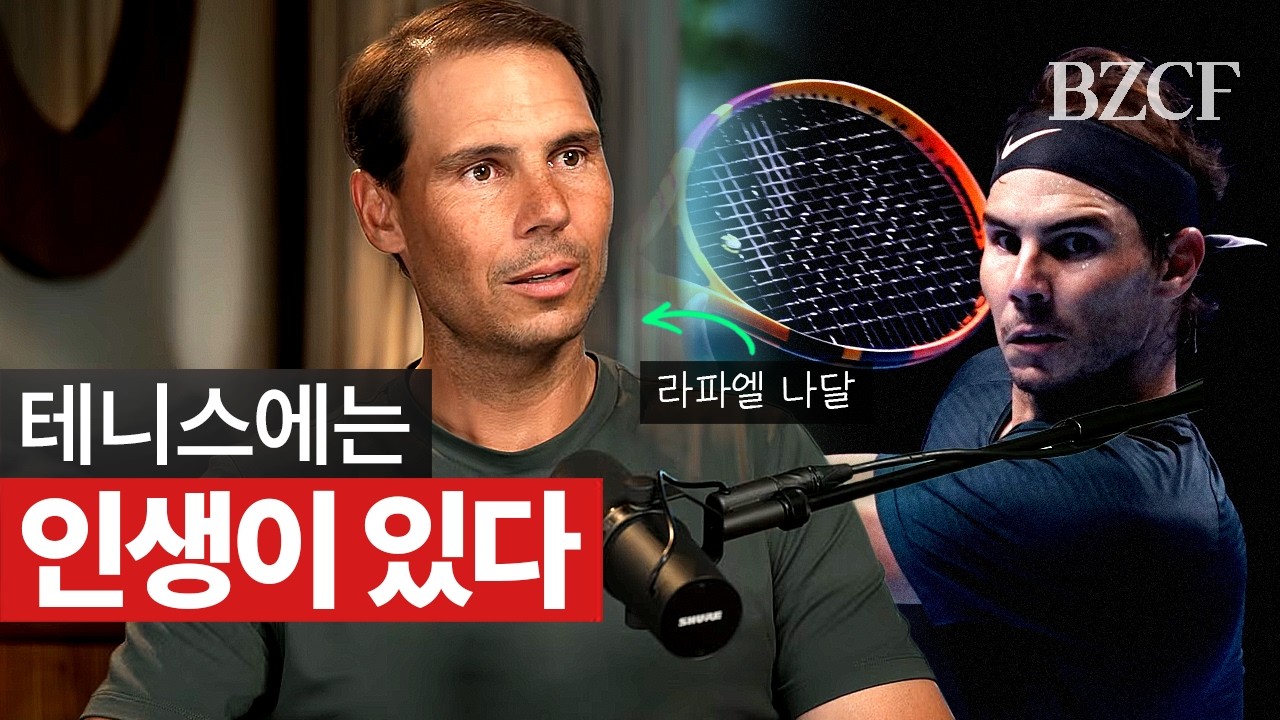
No clickbait detected — the title and thumbnail deliver what they promise.
AI Opinion
The episode’s most persuasive thread is Nadal’s account of how chronic injury and doubt became productive forces rather than obstacles—his insistence that uncertainty sharpened his focus and made victories sweeter is a genuinely insightful reframing of athletic resilience. However, the claims rest almost entirely on his self-narrative, which is polished and retrospective; the verified facts (Grand Slam counts, the Basel retirement timeline, the hotel expansion) are easy to confirm, but the deeper psychological causality—that injuries *reduced* pressure, or that rituals were purely functional—is unverifiable and may be self-justification. A thoughtful viewer should weigh his framing against the well-documented physical toll and emotional strain of his career, and treat the business anecdotes (650 employees, hotel growth) as promotional rather than independent evidence of post-retirement success. The interview is compelling as a curated philosophy of perseverance, but it is not an objective biography.
Avatars are AI rewrites of the same facts — style changes, not substance.
Summary
In this interview, Rafael Nadal reflects on his career philosophy, revealing how adversity, injuries, and doubts shaped his legendary resilience. After his first significant injury, he adapted to living with uncertainty and found satisfaction in the determination to find solutions, which allowed him to compete for 16 more years. Nadal explains that injuries didn't add pressure but made victories more emotional and valuable, and he emphasizes the importance of pausing to enjoy moments even during winning streaks. He argues that doubts are positive because they force him to improve regardless of recent success, noting that practicing just to stay fit never motivated him—he needed specific goals. The conversation touches on his rivalries with Djokovic and Federer, which added depth to the sport, and his relationship with fans, whose energy boosted his adrenaline during tough matches. His on-court rituals, he insists, were not superstitious but necessary for maintaining focus. Nadal describes his retirement decision in Basel in 2024 as deeply personal, made after giving himself a year post-hip surgery to see if his body would recover; he is 100% sure it was the right moment. Since retiring, he has channeled his drive into business ventures, including the expanding Zela hotel brand and the Rafa Nadal Tennis Academy, and he emphasizes that he needs goals in life. He contrasts the split-second decisions of sports with the different pace of business, noting the responsibility of employing 650 workers in Mallorca whose families depend on him.
Avatars are AI rewrites of the same facts — style changes, not substance.
Key Points
Nadal's Philosophy on Handling Adversity and Injuries
Nadal explains that after his first significant injury, he adapted to living with uncertainty about his career's future. He emphasizes that the determination to find solutions and remain competitive was his greatest satisfaction. He played for 16 more years after that initial setback, showing resilience in the face of chronic physical challenges.
Enjoying Victories More After Overcoming Adversity
When asked if injuries added extra pressure to win, Nadal said no, but they made victories more emotional and valuable. He explains that after going through tough times, he was able to enjoy wins more than if he hadn't faced those issues. He also mentions the importance of pausing to enjoy moments even while on a winning streak.
The Positive Role of Doubts in Maintaining Motivation
Nadal argues that doubts are positive because they force him to go on court knowing he needs to improve, regardless of recent success. He contrasts this with people who need to lose to realize they must improve, suggesting that proactive self-questioning is key. He notes that practicing just to stay fit never motivated him; instead, he needs the goal of improving something specific.
The Importance of Rivalries in Tennis
The transcript introduces the topic of Nadal's rivalries with Novak Djokovic and Roger Federer, highlighting that tennis, though often seen as a solo sport, is significantly shaped by these head-to-head battles. The interviewer asks about the role these rivalries played in Nadal's career, setting up a discussion on how competition drives improvement and adds depth to the sport.
Fan Energy and Rituals
Nadal explains that fans provide extra motivation during injury and tough matches, increasing his adrenaline and emotional energy. He describes himself as an intense player even in private practice with zero spectators. His on-court rituals were not superstitious but necessary to maintain 100% focus; he admits he would prefer not to need them but was humble enough to accept them.
The Moment of Retirement
Nadal decided to retire in Basel in 2024, giving himself about a year after hip surgery to see if his body would return to normal. After weeks of practicing and competing without feeling comfortable, he realized he could no longer fight for the things that motivated him. He emphasizes that the decision was personal, not influenced by media or outsiders, and he is 100% sure it was the right moment.
Post-Retirement Business Ventures
Since retiring a year and a half ago, Nadal has been nonstop traveling and working. The Zela hotel brand is growing, with the fourth opening in Fuerteventura and seven expected by year-end. He is also expanding the Rafa Nadal Tennis Academy and dedicating time to his foundation to help more kids and families. He enjoys sharing experiences with successful leaders in various sectors.
Need for Goals and Business Approach
Nadal states he is not the kind of person who likes to wake up without knowing what to do; he needs goals in life. He contrasts sports and business, noting that in sports decisions are made in fractions of a second, while business is different. He mentions his company in Mallorca employs 650 workers, which is a big responsibility knowing many families depend on it.
Chapters
Claims & Fact Check
Nadal won 22 Grand Slams, including 14 French Opens.
Nadal is the only player in history to be ranked number one in three different decades.
Nadal played for 16 more years after his first significant injury.
Nadal has zero rituals outside of the tennis court and is not a very superstitious guy.
Nadal decided to retire in Basel in 2024 after giving himself about a year after hip surgery to see if his body would come back.
The Zela hotel brand is growing, with the fourth opening in Fuerteventura and seven by the end of the year.
Was this digest good?
More from BZCF | 비즈까페

Digest any single YouTube video — free.
3 free digests — no card, no sign-up wall.
Or just swap the domain of any YouTube link → instant digest