

BZCF | 비즈까페
4 episodes — every digest for BZCF | 비즈까페.
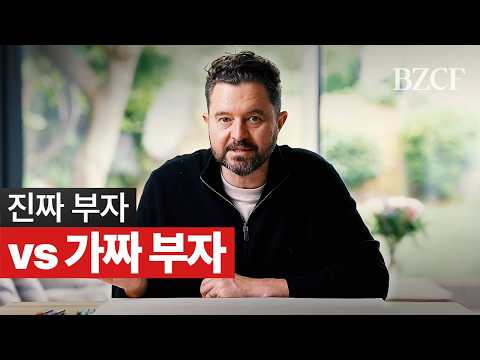
The speaker shares insights from observing ultra-wealthy individuals, arguing that billionaires treat luck as a controllable factor by increasing their odds through actions like networking and pitching widely, rather than waiting for a lucky break. They also build alternative currencies beyond money, such as reputation, brand equity, and large email lists, which can be leveraged for influence and business deals. A central theme is that the economy rewards value delivered at scale, not just value itself; therefore, billionaires focus on scalable assets like intellectual property, distribution channels, trained teams, and software. The speaker notes that most successful people actively position themselves as the highest-value person in a room through awards, books, and public visibility, contrary to the myth of quiet wealth. Finally, he observes that nearly all extremely wealthy individuals have built something and eventually sold it—whether a company, shares, or cryptocurrency—making exits a common path to liquid wealth. The claims presented are anecdotal and require further research for verification.
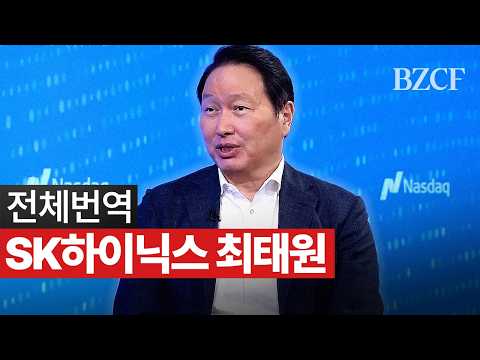
In a recent interview, SK Hynix Chairman Chey Tae-won discussed the company's US listing as a long-anticipated milestone, driven by the AI era's surge in memory demand. He confirmed plans to double production capacity within five years, but noted that customers are requesting five to six times more, indicating exponential demand growth. Chey described a fundamental shift in memory demand from consumer electronics to AI, where each user may have hundreds of AI agents requiring massive memory for KV caching. He emphasized that SK Hynix uses ADRs not only for capital access but also to attract global talent, and announced a multi-trillion dollar investment plan. Chey highlighted the company's "one team" culture as its key competitive advantage, and stressed that SK does not compete with its customers, fostering partnerships like the one with TSMC. He avoided directly comparing SK Hynix to Samsung, instead focusing on balancing stakeholder interests. On AI costs, he noted that token costs have already decreased to 1/5 or 1/10 within three years, and envisioned that within five to ten years, technology will make AI affordable for everyone. Verified claims include the capacity doubling plan, the US listing timing, over $35 billion in US investments, and the non-compete customer strategy.
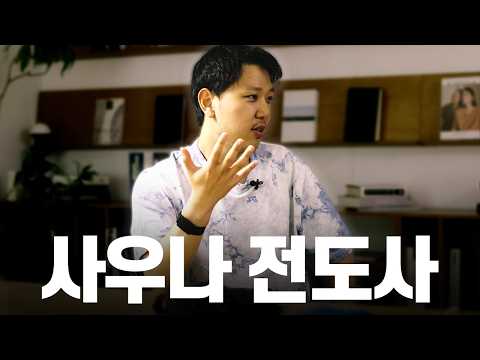
정인모 대표는 한국 사우나 시장의 빈틈을 포착해 대기업을 퇴사하고 사우나 커뮤니티 ‘사사사’를 창업했다. 그는 ‘해방감’이라는 감정을 제공할 수 있는 시설이 한국에 부족하다고 분석하며, 사우나가 단순 시설을 넘어 정신적 회복과 가치를 주는 문화로 자리잡아야 한다고 강조한다. 대표는 도쿄 온천에서의 충격적 경험과 제주 용천수에서 느낀 해방감을 바탕으로, 핀란드식 사우나와 한국 찜질방의 차이를 인식하고 한국만의 독창적인 사우나 문화를 창조하겠다는 비전을 밝혔다. 사우나 창업에는 최소 20~40억 원의 자본이 필요하고 기존 업계는 건설사가 주도해 왔지만, 소형 매장을 통해 수익성을 입증하고 아웃도어 사우나 제품 개발과 라이프스타일 브랜드로의 확장을 추진 중이다. 그는 문화가 태동할 때 참여해야 성공할 수 있다는 신념 아래, 다양한 배경의 팀원들과 함께 사우나 경험의 다양성과 컨트라스트 테라피의 중요성을 알리며 글로벌 시장에서 한국 사우나를 주도하는 것을 목표로 삼고 있다.
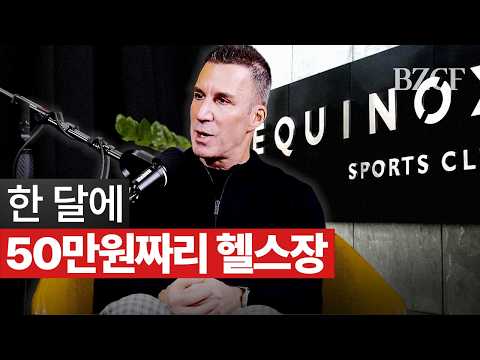
Harvey Spevak, CEO of Equinox, explains that the brand's success stems from anticipating member needs rather than asking them, as most people don't know what they want. He shares his own path from a sneaker retail business to Equinox, emphasizing following passion over a rigid career plan. Equinox adapts each club to its local market, as seen in a new Chicago location with larger lounge and strength areas, and partners with top designers like Robert Sterland to avoid a cookie-cutter feel. The company uses pep rallies to inspire staff on opening days and maintains financial discipline through return analysis and leveraging its status as a desirable anchor tenant. The brand's pop culture relevance is organic, illustrated by mentions from Kanye West and collaborations with celebrities like Jay Balvin. During COVID-19, Equinox shut down over 200 locations and burned hundreds of millions in cash, but the CEO insists the physical experience remains 98% of the business, driving a strong recovery. The company is now integrating AI to speed up site selection and club openings, and to enable 24/7 member communication. The episode also covers how Equinox served as a sanctuary during 9/11, navigated the 2008 financial crisis by pioneering luxury amenities like Kiehl's, and weathered the pandemic as its biggest financial challenge.