Clickbait Checker
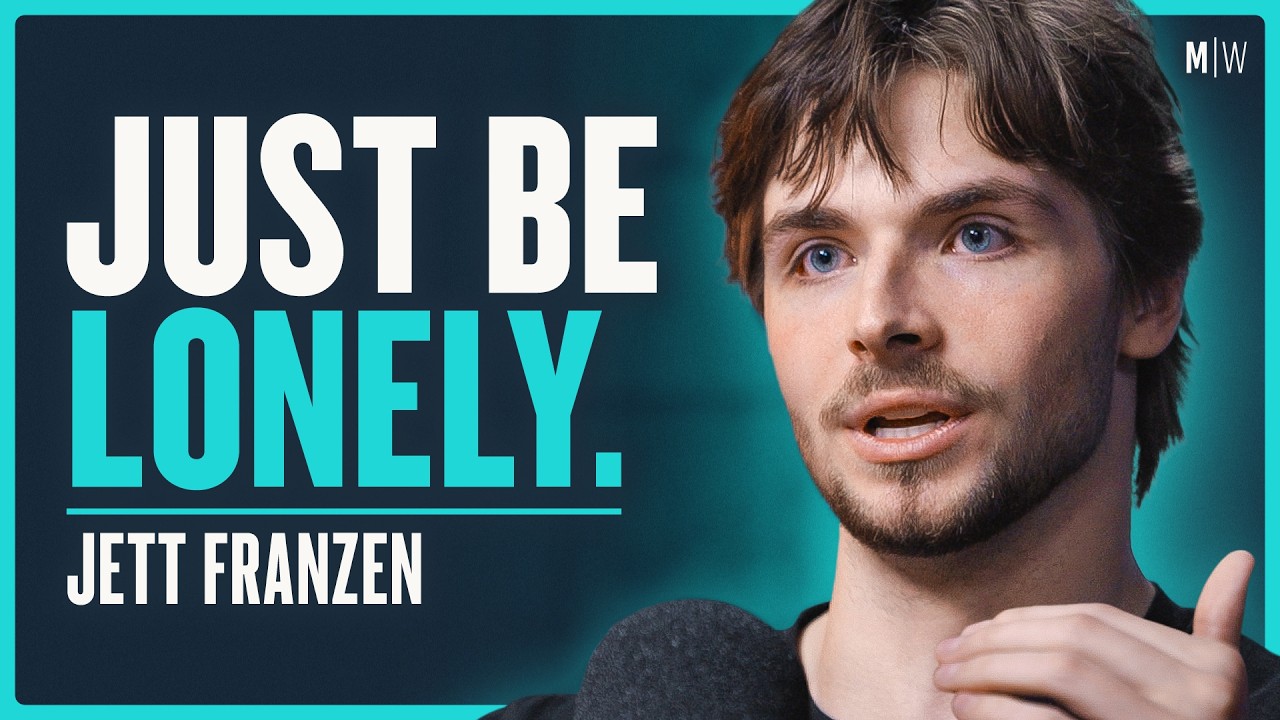
The video title says:
"Proof That The Lonely Chapter Works - Jett Franzen"
Reality:
The title implies the episode provides definitive proof that a 'lonely chapter' (presumably a period of struggle or isolation) is beneficial, but it primarily explores challenges and psychological concepts related to success and self-perception.
AI Opinion
Jett Franzen's episode persuasively connects personal experience with established psychological frameworks like the hedonic treadmill and Jungian shadow work, offering a compelling argument that confronting internal insecurities and letting go of external validation is crucial for sustained success and well-being. However, several claims regarding specific individuals’ successes (like Alyssa Lou or Rakai) and broader societal trends – such as the prevalence of virtue signaling to cope with failure or religious narratives justifying lack of material success – rely on anecdotal evidence and require further investigation. Listeners should approach assertions about universal human behaviors, like everyone being a narcissist or the inevitability of regression towards the mean, with critical consideration, recognizing they represent Franzen’s perspective rather than definitively proven truths.
Avatars are AI rewrites of the same facts — style changes, not substance.
Summary
This episode explores the challenges of achieving and maintaining success, drawing on personal experiences and philosophical concepts. Jett Franzen discusses the hedonic treadmill, which explains why positive experiences eventually lose their impact, and the "curse of competence," where each achievement becomes a new baseline expectation. He reflects on his own journey, including early struggles with resentment stemming from feelings of unfairness and burnout from intense work habits. Franzen emphasizes the importance of self-belief as a driving force for achieving goals, contrasting it with societal pressures to display humility. Drawing on Stoic philosophy and Jungian psychology, he advocates confronting one's "shadow" – denied aspects of oneself – and letting go of external validation to foster personal growth. The episode also examines how social media exacerbates feelings of inadequacy by promoting unrealistic comparisons and highlights the need for differentiation in creative fields, as well as the tendency for individuals to rationalize failures through narratives of virtue or redefining values. Ultimately, Franzen suggests that understanding these patterns can lead to greater self-awareness and a more fulfilling path forward.
Avatars are AI rewrites of the same facts — style changes, not substance.
Key Points
Shifting Strategies for Growth
Jett Franzen explains that the tools and strategies that initially propel someone forward are not always sustainable for continued growth. He uses the analogy of martial arts belt progression, highlighting how early efforts like producing a large volume of videos and studying other creators eventually become limiting factors. This suggests a need to adapt and evolve one's approach as experience accumulates.
The Importance of Detachment in High-Pressure Situations
Discussing Olympic skater Alyssa Lou, the speakers highlight her ability to remain detached from outcomes while still being invested in her performance. Lou's statement, "I’m just lucky to be here,” exemplifies a mindset that prioritizes enjoyment and intrinsic motivation over external validation, which is contrasted with typical competitive behavior.
Operating From a Frequency of Abundance
Franzen introduces the concept of operating from a frequency of abundance, contrasting it with forcing outcomes. He explains that this approach involves allowing things to flow naturally rather than exerting excessive effort or focus on specific goals. This aligns with the idea of being in a 'flow state,' where one's brain is on autopilot and intentionality doesn’t feel forced.
The Cycle of Dedication, Pressure, and Burnout
Franzen recounts his early experience with intense video production (12-14 videos daily), initially driven by dedication. He notes that as he achieved some success, pressure increased, leading to a decline in the quality of his work and eventually burnout. This illustrates how excessive focus on performance can be counterproductive and highlights the importance of finding balance.
The Pitfalls of Meditation & Emotional Conductivity
During extended silent meditation retreats, individuals may encounter difficult emotions. While releasing techniques are often employed to avoid engaging with these feelings, a more profound approach involves 'conductivity,' which is allowing the emotion to move through you without resistance – whether it's laughter, crying, or intense discomfort. Pushing away emotions can be a prophylactic measure, preventing deeper self-understanding but potentially hindering personal growth.
The Importance of Consistent Effort
Jett emphasizes that success isn't about innate talent but consistent effort. He notes the rarity of serial successes and failures often stem from a lack of transferable skills – the ability to identify tasks, learn methods, and consistently execute them. He contrasts this with periods in Modern Wisdom’s early days where they had weeks with zero episodes produced.
Extreme Dedication During Achilles Recovery
Following his Achilles rupture, Jett constructed a specialized recording setup to maintain podcast production while elevating his foot. This involved a custom-built rig and microphone positioning allowing him to record with a guest positioned behind him—a solution he jokingly described as resembling a 'crotch cam.' This illustrates an extreme level of dedication to maintaining workflow despite significant physical limitations.
The Scale of Early Ad Read Production
Jett recounts recording three fresh ad reads per episode for the first 600 episodes, totaling approximately 2,000 ad reads. He highlights the sheer volume and repetition involved, emphasizing that this commitment was driven by a desire to maintain strong relationships with sponsors and ensure consistent performance of advertisements—a practice he continued even at midnight.
Value of Documenting Early Struggles
Reflecting on his career, Jett expresses regret for not documenting more content from the early days. Drawing a parallel to Maisie Williams’ experience with Game of Thrones, he notes that these initial struggles and makeshift setups provide valuable context and inspiration for others. He acknowledges having some documentation through YouTube videos but wishes he had captured the repetitive process of refining ideas before posting them.
Nietzsche's Slave Morality and Modern Coping
Jett introduces Nietzsche’s concept of ‘slave morality,’ explaining how it manifests in modern society, particularly among those who haven't achieved external success like wealth or a desirable relationship. He argues that these individuals often shift the focus from achieving external goals to demonstrating internal virtue, which they conveniently define themselves as a way to avoid acknowledging their lack of outward achievement and feel better about their circumstances. This allows them to claim moral superiority without needing to achieve tangible results.
Predictable Online Reactions
Jett explains that when he shares views challenging conventional wisdom online, he consistently receives criticism and accusations of being ‘out of touch.’ He observes a predictable pattern where people quickly dismiss his perspectives without engaging with the content, revealing their own coping mechanisms and defensiveness. This highlights how individuals often prioritize self-justification over genuine understanding.
The Inner Citadel: Retreating into Subjectivity
Jett references Isaiah Berlin’s concept of the ‘inner citadel,’ which describes a retreat from external challenges and disappointments. Berlin explains that when faced with insurmountable obstacles, individuals may construct an internal world where they create their own rules and values to shield themselves from perceived failures in the outside world. He uses examples like amputating an injured leg or denouncing the desire for legs as misguided.
Examples of Coping Mechanisms
Jett illustrates the concept of the inner citadel with several relatable examples, including individuals who deny the importance of health due to weight struggles, those who reject traditional employment after facing job instability, and people who embrace alternative relationship models following infidelity. These instances demonstrate how people often rationalize their failures by redefining values or rejecting societal norms.
Roll With The Punches and Lower Expectations
Franzen recounts a lesson from his AP US History teacher about 'rolling with the punches,' emphasizing its importance for personality development. He contrasts this with his family's tendency to over-plan, which he finds can stifle experiences and enjoyment. He suggests lowering expectations as a way to avoid suffering, explaining that suffering arises when reality fails to meet those expectations.
The Hedonic Treadmill: A Biological Regression
Franzen introduces the concept of the hedonic treadmill, explaining that it's a biological imperative for humans to regress towards a baseline state. He uses the example of an ancestor who killed a bear and experienced intense joy, only to quickly return to a state of vigilance due to inherent survival instincts. This illustrates how experiences, even positive ones, eventually lose their impact.
Podcast Popularity and Diminishing Returns
Franzen reflects on the diminishing returns of success, noting that even with a highly popular podcast (ranked as the eighth largest in the world), the initial excitement of gaining followers has faded. He contrasts the joy of early growth with the current scale, illustrating how even significant achievements can lose their impact over time due to the hedonic treadmill.
The Curse of Competence
Franzen discusses the 'curse of competence,' a phenomenon where each level of success becomes the new minimum acceptable performance. This means that achieving something significant no longer brings celebration, but simply maintains one's baseline expectation. He suggests this creates an ongoing pressure to continually exceed previous accomplishments.
The Cycle of Resentment and Hard Work
Franzen recounts a factory job in Chicago where he worked graveyard shifts, feeling resentful that his peers didn't work as hard while their parents funded their college. This experience fostered a 'victim mindset,' leading him to feel unfairly burdened and contributing to a sense of bitterness about his circumstances. He emphasizes the isolating nature of the work and the frustration of comparing himself to others.
Marcus Aurelius and Self-Improvement
Franzen credits reading Marcus Aurelius's *Meditations* as a catalyst for personal growth. He describes the book as 'incredible,' implying it provided a framework for self-reflection and overcoming negative thought patterns. This suggests that Stoic philosophy can be a tool for shifting from a victim mindset to one of acceptance and proactive change.
Jungian Shadow Work: Confronting Denial
Drawing from the work of Carl Jung, it's crucial to confront one’s 'shadow,' which represents denied aspects of oneself. Jung believed that the greatest danger in humans isn't necessarily outward evil but rather the denial of internal flaws and negative traits. This process is akin to psychological suicide because it requires exposing vulnerabilities, potentially more challenging than facing external judgment.
The Impact of Social Media on Self-Perception
Franzen explains how social media exacerbates feelings of inadequacy by presenting a curated view of others' lives. The constant exposure to the 'top 1%'—the most attractive, successful, and articulate individuals—creates an unrealistic comparison point, leading people to feel their own lives are lacking. He highlights that our brains haven’t adapted to this unprecedented level of social comparison.
The Power of Letting Go
Franzen describes a pivotal shift in his perspective, realizing that resentment and envy were paralyzing him. He explains how releasing the desire for external validation and acceptance—specifically regarding wealth and attention—allowed opportunities to arise. This suggests that internal peace and action are contingent on letting go of comparisons and perceived injustices.
The Spectrum of Narcissism and Self-Belief
Jett Franzen argues that narcissism isn't inherently negative but exists on a spectrum, with a healthy side promoting self-belief. He distinguishes between the extreme, detrimental form of narcissism and a more constructive self-regard that fuels personal growth. This perspective challenges societal views that often condemn any display of self-focus.
Self-Belief as a 'Jetpack' for Achieving Goals
To illustrate the power of self-belief, Franzen uses an analogy of climbing a mountain. He contrasts having an empty backpack (neutral self-perception), rocks representing self-doubt, and a 'jetpack' fueled by narcissism – symbolizing unwavering confidence that propels one towards their goals. This metaphor emphasizes how believing in oneself can overcome obstacles.
The Importance of Betting on Yourself
Franzen stresses the crucial role of self-belief and taking risks, even when facing past failures. He recounts telling his best friend that he believed he could succeed in social media despite previous setbacks, highlighting a commitment to perseverance as key to achieving goals. This demonstrates a willingness to defy expectations and bet on one's own potential.
Social Perception of Ego vs. Humility
Franzen discusses how ego and humility are perceived differently in social contexts, particularly within British culture. He explains that displays of ego can be met with resistance and attempts to diminish one's progress, while even performative humility is often viewed favorably. This observation highlights the complex dynamics of self-presentation and societal expectations.
The Perception Gap in Skill Levels
Jett Franzen explains that the ease of entry into podcasting and content creation leads to a perception gap where audiences underestimate the expertise required. Unlike mastering instruments or sports, anyone can technically record a podcast with minimal equipment, diminishing the perceived skill difference. This makes small improvements seem less significant, as people assume they could easily achieve similar results.
The Rakai Case Study: Resentment and Misunderstanding
Franzen uses the example of streamer Rakai to illustrate how perceived ease can breed resentment. Rakai's success, despite seemingly lacking exceptional talent or communication skills, leads others to believe they could easily replicate his results. This fuels criticism and misunderstanding, as people attribute his popularity to factors other than genuine skill.
The Importance of Differentiation in Content Creation
Franzen advises a friend trying to become a streamer that differentiation is crucial for success. He emphasizes that simply copying existing content won't lead to recognition or growth, as audiences will perceive the new creator as lacking originality and value. He highlights Kai Cenat’s ‘Streamer University’ as an example of aspiring creators attempting to emulate established figures without understanding the underlying factors contributing to their success.
The Public vs. Private 'Why'
When individuals are asked about their motivations – why they work hard, build businesses, or create content – they often provide socially acceptable answers, even if the underlying reasons stem from deeper insecurities. These public explanations frequently involve narratives of overcoming adversity, but a more honest inquiry might reveal roots in feelings of inadequacy, lack of love, or fear of abandonment.
Extreme Achievement and Underlying Insecurities
People who achieve extreme success – whether in wealth, beauty, competence, intellect, or social connections – often do so to compensate for underlying feelings of inadequacy. The exceptionally beautiful person may feel ugly inside; the wealthy individual might constantly feel they are not enough; and those with great skills frequently grapple with a sense of powerlessness. This demonstrates how external achievements can be driven by internal struggles.
Chapters
Claims & Fact Check
Releasing emotions in meditation is a prophylactic measure.
The real danger in humans is not outward evil, but the denial of internal flaws.
People who achieve extreme success often do so to compensate for underlying feelings of inadequacy.
The tools that get you to one level don't always get you to the next.
Alyssa Lou's detachment from outcomes contributed to her success and popularity.
Operating from a frequency of abundance is key to achieving goals.
If you live in America, it does not matter how far on the bottom you are.
Anyone is capable of clawing their way up the ladder to at least a bare minimum middle.
Many people who haven't achieved external success shift to defining themselves by internal virtue as a way to cope.
Some Christians use religious narratives to justify their lack of material success.
A significant portion of people who express concern about being 'good' are doing so out of resentment for those with external success.
Lowering expectations leads to a more pleasant life.
The hedonic treadmill is a biological imperative.
Success becomes the minimum acceptable performance for competent individuals.
Constantly comparing yourself to others, especially through social media, makes your life worse.
Reading Marcus Aurelius's *Meditations* can lead to significant personal growth.
Letting go of resentment and the desire for external validation is necessary for attracting opportunities.
Everyone is a narcissist.
Leaning into your narcissism in a healthy way is the ultimate propeller to where you want to go.
Everything regresses to the mean in life, and your self-belief creates that identity.
People often underestimate the expertise required for successful podcasting and content creation.
The more accessible a skill appears, the less respect people have for those who excel at it.
Rakai’s success is largely due to others believing they could easily replicate his content.
Was this digest good?
More from Modern Wisdom



Digest any single YouTube video — free.
3 free digests — no card, no sign-up wall.
Or just swap the domain of any YouTube link → instant digest