Clickbait Checker
The video title says:
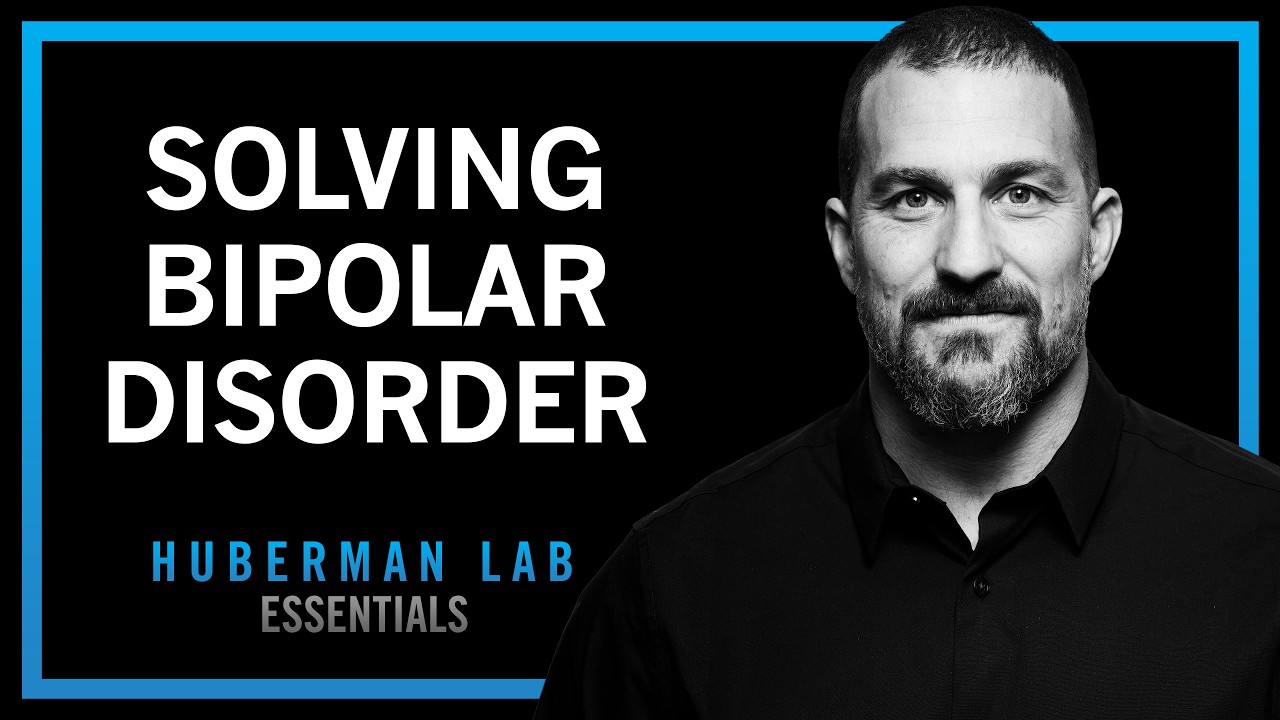
"The Science & Treatment of Bipolar Disorder | Huberman Lab Essentials"
Reality:
The title accurately reflects the episode’s focus on explaining the science and treatment approaches for bipolar disorder, though it doesn't promise a complete 'solution.'
The thumbnail says:
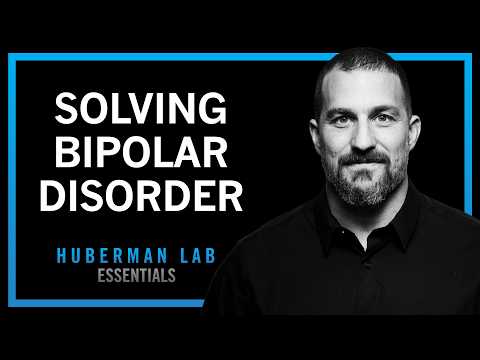
"SOLVING BIPOLAR DISORDER HUBERMAN LAB ESSENTIALS"
Reality:
The thumbnail's claim of 'SOLVING BIPOLAR DISORDER' is misleading as the episode primarily provides scientific explanations and outlines treatments rather than offering definitive solutions.
AI Opinion
The episode effectively clarifies diagnostic distinctions between Bipolar 1 and 2, and convincingly argues that a combined approach of medication and CBT yields better outcomes than pharmacology alone—a point supported by established clinical practice. The claim that lithium offers neuroprotective benefits, while intriguing given the presented mechanistic rationale, rests on preliminary research requiring further validation in human trials. Listeners should also be aware that the reported decline in interoception is presented as a common experience but lacks extensive empirical support beyond anecdotal observations and correlational studies.
Voices are AI rewrites of the same facts — style changes, not substance.
Summary
This episode explores the science and treatment of bipolar disorder, outlining diagnostic criteria—requiring at least three symptoms like distractibility or grandiosity for seven days to qualify for Bipolar 1—and distinguishing it from Bipolar 2 which involves hypomanic and depressive episodes. A key theme is the neurotoxic damage caused by prolonged hyperactivity in brain circuits, with lithium presented as potentially protective against this process. The episode highlights a progressive decline in interoception, making symptom recognition challenging, and notes that while periods of mania or depression can sometimes contribute to creativity, bipolar disorder carries a significantly elevated risk of suicide—approximately 20 to 30 times higher than the general population—and affects roughly 1% of people. Effective treatment involves combining pharmacological interventions with talk therapies like cognitive behavioral therapy (CBT), as medication alone is often insufficient.
Voices are AI rewrites of the same facts — style changes, not substance.
Key Points
Neurotoxicity and Lithium's Protective Role
Prolonged hyperactivity in certain brain circuits can lead to neurotoxicity, where chemicals like calcium and glutamate kill active neurons. This process is linked to the development of bipolar disorder, as excessive activity damages neural pathways. Lithium appears to prevent some of this neurotoxic damage by stabilizing neuronal activity.
Diminished Interoception in Bipolar Disorder
Individuals with bipolar disorder often experience a progressive decline in interoception, which is the perception of internal bodily states. This diminished ability makes it difficult for them to recognize crucial signals like rapid speech, sleep deprivation, or lack of food intake, contributing to symptom management challenges.
Hyperactivity and Excitotoxicity
People with bipolar depression often exhibit hyperactivity in certain brain circuits early in the disease's progression. This hyperactivity leads to excitotoxicity, a form of toxicity caused by excessive stimulation of neurons, which damages neural circuits responsible for interoception. Lithium is believed to protect against this atrophy.
The Importance of Combining Drug and Talk Therapies
While drug therapies are generally more effective, they should be combined with talk therapies for optimal results. Cognitive behavioral therapy (CBT) is considered the most explored and statistically supported form of talk therapy, involving controlled exposure to triggers that exacerbate bipolar disorder.
Bipolar disorder's relationship to creativity
While bipolar disorder is characterized by maladaptive effects like increased suicide risk, certain aspects of manic and depressive episodes can paradoxically contribute to creative endeavors. The speaker notes that these periods may be beneficial for artistic expression, such as poetry or performing arts. It's important to acknowledge this nuance while recognizing the serious nature of the condition.
The Severity of Bipolar Disorder
Bipolar disorder carries a significantly elevated risk of suicide, with individuals affected being 20 to 30 times more likely to attempt suicide compared to the general population. This underscores the critical importance of recognizing symptoms and seeking professional help for both those experiencing bipolar disorder and their loved ones. The condition also impacts approximately 1% of the population, highlighting its prevalence within communities.
Diagnostic Criteria for Mania in Bipolar Disorder
A manic episode is characterized by a constellation of symptoms including distractibility, impulsivity, grandiosity, flight of ideas, agitation, lack of sleep, and rapid pressured speech. Clinically, diagnosis requires the presence of at least three of these symptoms for a duration of seven days or longer to meet the criteria for bipolar 1 disorder. These symptoms represent a significant deviation from typical behavior and can cause considerable distress.
Symptoms of Mania
Individuals experiencing a manic episode may exhibit symptoms such as distractibility, impulsivity, grandiosity (beliefs of inflated importance), flight of ideas (rapidly shifting between topics), agitation (physical restlessness), insomnia (or minimal sleep), and rapid pressured speech. Notably, individuals in a manic state can often go for days without sleep while exhibiting these behaviors without apparent distress.
Distinguishing Bipolar 1 and Bipolar 2 Disorders
Bipolar 1 disorder is defined by extended manic episodes lasting at least seven days, while bipolar 2 disorder involves both hypomanic (less severe) episodes and depressive episodes. A common misconception is that all individuals with bipolar disorder experience deep depressive phases; however, many affected do not. This distinction is crucial for accurate diagnosis and tailored treatment approaches.
Key moments
Claims & Fact Check
People suffering from bipolar disorder are at 20 to 30 times greater risk of suicide.
±Partially supportedBipolar disorder impacts about 1% of people.
±Partially supportedA person suffering from a manic episode must display at least three symptoms for seven days to meet the criteria for bipolar one.
?UnverifiedProlonged hyperactivity in certain brain circuits can lead to neurotoxicity.
±Partially supportedPeople with bipolar disorder experience a progressive decline in interoception over time.
?UnverifiedLithium can prevent some of the neurotoxicity associated with bipolar disorder.
±Partially supportedTalk therapy alone is rarely effective for bipolar depression.
±Partially supportedMore from Huberman Lab

How to Improve Your Memory & Cognitive Function at Any Age | Dr. Alan Castel
Jul 13, 2026
The Science & Treatment of Obsessive Compulsive Disorder (OCD) | Huberman Lab Essentials
Jul 9, 2026

Raising a Dog & Mastering Calm Assertive Energy | Cesar Millan
Jul 6, 2026

Essentials: Tools for Hormone Optimization in Males | Dr. Kyle Gillett
Jul 2, 2026