Clickbait Checker
The video title says:
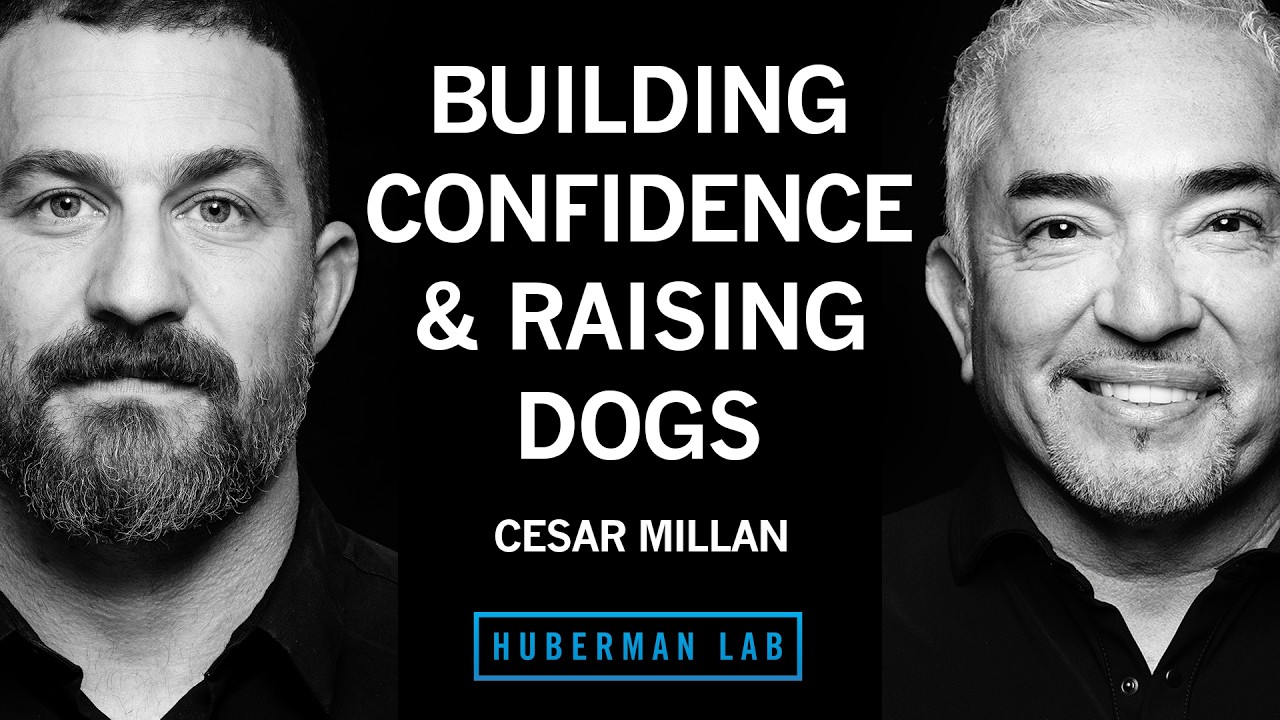
"Raising a Dog & Mastering Calm Assertive Energy | Cesar Millan"
Reality:
The title accurately reflects the episode’s discussion on dog ownership, emphasizing calm assertive energy and a focus on establishing healthy relationships based on respect and structure rather than solely affection.
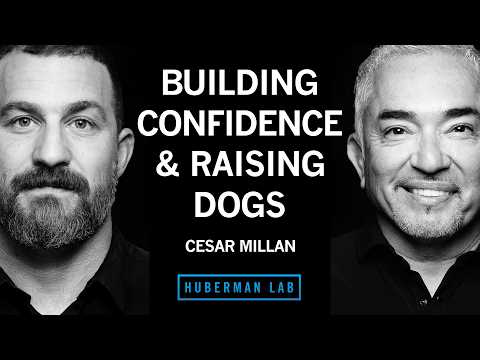
The thumbnail says:
"BUILDING CONFIDENCE & RAISING DOGS CESAR MILLAN HUBERMAN LAB"
Reality:
While the thumbnail mentions building confidence and raising dogs with expert guidance, it significantly overstates the episode's content by prominently featuring Huberman Lab; the discussion is broader, encompassing relationship dynamics and self-improvement principles beyond just dog training techniques.
AI Opinion
The episode most convincingly argues that dogs respond primarily to the energy and actions of their handlers, not verbal commands or anthropomorphic interpretations of their behavior—a point supported by observations about canine responses to stress signals and Millan’s decades of experience. However, claims regarding the precise physiological mechanisms behind this energetic exchange (like dogs "smelling" human stress through chemical changes) rest on simplified explanations that would benefit from neurological or biochemical corroboration. Listeners should also approach assertions about universal relationship dynamics—such as the critique of “happy wife, happy life”—with caution, recognizing that individual experiences and cultural contexts vary widely.
Voices are AI rewrites of the same facts — style changes, not substance.
Summary
Cesar Millan and Andrew Huberman discuss building healthy relationships with dogs, emphasizing that establishing trust, respect, and providing structure—through exercise, discipline, and mental stimulation—are more crucial than immediate affection. Dogs perceive human emotional energy through chemical changes in the body, highlighting the importance of handlers maintaining a calm and assertive demeanor. Critiquing anthropocentric views of animal intelligence, Millan argues against measuring animals by human standards and encourages understanding their instinctual nature rather than attempting to "humanize" them. He contrasts dog behavior with that of cats, noting dogs’ pack orientation makes them more susceptible to human influence. Beyond canine psychology, Millan shares personal reflections on relationships, cautioning against sacrificing one's own needs in pursuit of another's happiness and stressing the importance of aligning with someone who appreciates your leadership qualities. Ultimately, he posits that owning a dog can be a powerful tool for self-improvement, requiring consistent effort to cultivate patience, calmness, confidence, and love—qualities that benefit both human and animal alike.
Voices are AI rewrites of the same facts — style changes, not substance.
Key Points
The Importance of Calm Energy in Dog Handling
Cesar Millan emphasizes that his success in walking packs of dogs off-leash, which initially garnered attention from the LA Times, stemmed from a consistent display of calmness, confidence, and silence. He explains that this energy is what allowed him to manage large groups of dogs effectively, contrasting with the common perception of dog handling in America. This approach highlights how an owner's demeanor significantly impacts canine behavior.
The Leash as a Symbol of Trust and Respect
Millan redefines the concept of a leash, asserting that it represents trust, respect, love, human understanding, silence, calmness, confidence, joy, pack leadership, direction, and protection—not just restraint. He argues that dogs should ideally be well-behaved even off-leash, but the leash serves as a crucial tool for transmitting energy and managing reactivity when necessary. This perspective challenges conventional views on dog ownership.
The Importance of Human Calmness in Dog Training
Cesar Millan emphasizes that when a dog misbehaves, owners should strive to return the dog to a 'good state of mind' characterized by patience, calmness, and surrender. He contrasts this with undesirable states like fight-or-flight avoidance, highlighting that dogs respond best to human energy and actions rather than words.
Benefits of Red Light Therapy
During a sponsor segment for Joovv, Millan highlights the benefits of red light therapy, emphasizing its positive impact on cellular and organ health. He mentions improvements in muscle recovery, skin health, wound healing, acne reduction, pain and inflammation relief, mitochondrial function enhancement, and even vision improvement. He personally uses the device multiple times a week for 10-20 minutes.
Addressing Common Dog Walking Issues
Cesar Millan suggests that mastering the fundamentals of dog walking—understanding the dog’s position relative to the owner—can resolve 90% of common behavioral problems. He points out a prevalent mistake among dog owners, which is allowing their dogs to walk in front of them. By focusing on these basic principles, he believes most issues can be mitigated, with the remaining challenges requiring rules, boundaries, and limitations.
The Problem with Excited Greetings
Cesar Millan explains that many dog owners greet their dogs with excessive excitement (squealing, high-pitched voices), which creates anxiety and negatively impacts the relationship. This behavior confuses the dog and can lead to them greeting other humans in an excited manner, potentially causing unwanted behaviors like jumping. He emphasizes that a calm, respectful approach is crucial.
Three Core Rituals for Dog Interaction
Millan introduces three essential rituals to establish a healthy relationship with dogs: no touch, no talk, and no eye contact during initial greetings. The 'meeting' ritual involves reminding the dog of safety, peace, nose, eyes, ears, trust, and respect before allowing interaction. Following this is a calm walk where the dog follows the owner, and finally, feeding time. These rituals help establish the human as a leader.
Sensory Development in Dogs
Millan discusses the order in which dogs develop their senses: nose first (at birth), then eyes at 15 days, and finally ears at 21 days. This sequence highlights that early experiences are primarily processed through scent, followed by sight, and then sound. He contrasts this natural development with humans attempting to communicate with dogs using constant verbal interaction, which can create excitement instead of trust.
Instinctual Behavior & Leadership
A special operations handler recounts an incident where a dog bit him after being allowed too close during a movie night, illustrating the importance of maintaining clear leadership and boundaries. Millan reinforces that animals act on instinct without conscious thought; any perceived 'attempts' to move up the hierarchy are simply reactions to shifts in energy from the leader. He stresses the need for constant vigilance and consistent behavior.
The Core Routine for Dogs: Exercise, Discipline, Affection
Cesar Millan emphasizes a structured routine for dogs that begins with exercise, followed by discipline (not punishment), and then affection. He explains that many dog owners prioritize affection over the crucial elements of exercise and discipline, which are essential for the dog's psychological well-being and overall behavior. This sequence establishes clear boundaries and provides structure, leading to a more balanced and well-adjusted animal.
Discipline in Dog Training: Structure vs. Punishment
Millan clarifies that 'discipline' in dog training is not about punishment but rather establishing structure and limitations. He explains that the word often evokes negative connotations for dog owners, leading them to misunderstand its purpose. True discipline involves guiding a dog through boundaries and routines, fostering success and well-behaved behavior, which ultimately strengthens the human-animal bond.
The Significance of Mindful Walks
The conversation highlights that many dog owners are reluctant to walk their dogs or engage in distracted walking (e.g., on phones). Millan points out that a mindful walk, free from distractions and focused on connection with nature and the dog, is crucial for establishing a spiritual link between humans, animals, and the earth. This shared experience fosters a deeper bond and enhances overall well-being.
The Dog as a Conduit to Spirituality
Cesar Millan proposes that 'dog' is simply 'God' spelled backward, suggesting that dogs serve as conduits to spiritual connection and the natural world. He argues that through interacting with dogs during walks and other activities, humans can reconnect with their own spirituality and appreciate the interconnectedness of all living things. This perspective emphasizes the profound relationship between humans and animals.
The Hierarchy of Dog Needs
Cesar Millan emphasizes a specific order for building a healthy relationship with a dog, starting with trust and respect. He states that exercise, discipline, and mental stimulation come before love as a reward; prioritizing these foundational elements establishes boundaries and provides structure for the animal. This approach contrasts with typical human tendencies to immediately offer affection.
Dogs Perceive Human Emotional Energy
Millan explains that dogs don't just smell odors, but perceive the energetic state of humans. He describes how stress manifests as a chemical change in human bodies (sweat, etc.) which is then detected by the dog through their heightened senses—even before they use sight or sound. This highlights the importance of emotional regulation for handlers.
Critique of Human-Centric Intelligence Assessments
Millan critiques the tendency to measure animal intelligence based on human standards, such as teaching tricks or having them learn words. He uses the example of an octopus playing piano—a feat achieved through shaping with rewards—to illustrate that it reveals more about the trainer's persistence than the octopus’s inherent cognitive abilities. Millan argues this projection of human understanding onto animals is a form of short-sightedness.
Dogs vs. Cats: Pack Orientation and Human Influence
Millan contrasts the way humans interact with dogs versus cats, explaining that dogs are pack-oriented and therefore more susceptible to human influence. He argues that 'humanizing' a dog—treating it as a person—is detrimental to the animal because it goes against their natural instincts. Cats, being less inclined to follow, are often left alone by humans.
The Importance of Respect and Honoring Identity
Cesar Millan emphasizes that humans should respect dogs for who they are, not try to mold them into human-like beings. True affection stems from understanding and appreciating an individual's unique qualities, rather than imposing preconceived notions or desires upon them. This involves learning about their behavior and communicating with them in a way that acknowledges their inherent nature.
Cross-Species Communication Differences
Millan draws parallels between dog behavior and non-human primate communication, highlighting the differences in how signals are interpreted across species. For example, a macaque monkey baring its teeth is considered an aggressive gesture, whereas similar displays in dogs might be misinterpreted by humans. This underscores the need for careful observation and understanding of animal body language to avoid miscommunication.
The Pitfalls of Projection
A significant point raised is the human tendency to project their own understandings and expectations onto animals, even when presented with evidence to the contrary. This can lead to misinterpretations of behavior and ultimately hinder a dog’s sense of safety and security. Millan encourages individuals to prioritize the animal's needs over their own desires.
Understanding Dog Psychology: Pack Animals
Andrew Huberman stresses the importance of understanding dog biology and psychology, emphasizing that dogs are pack animals. He argues for shifting away from viewing them solely as 'pets' and recognizing their hard-wired instincts and behaviors, which require owners to act as effective leaders by managing their own energy and actions.
The Order of Connection: Safety, Trust, Respect, then Love
Millan stresses that love should be the final element in building a connection with a dog. Prioritizing safety, peace, trust, and respect creates an environment where genuine affection can flourish. This approach avoids imposing human expectations and allows for a more natural and harmonious relationship based on mutual understanding and acceptance.
The 'Happy Wife, Happy Life' Fallacy
Cesar Millan discusses his past belief in the adage "happy wife, happy life," where he attempted to fulfill all of his partner’s desires. He realized this approach led to him surrendering his own needs and identity, ultimately proving ineffective. He now emphasizes that each individual is responsible for their own happiness and that seeking a partner who aligns with one's instinctual nature is more fulfilling.
The Spectrum of Relationship Dynamics
A friend’s advice highlights the spectrum of desired dynamics in relationships, ranging from seeking a partner who wants to be led to one who desires guidance and structure. This illustrates that individuals have varying needs for direction and control within a partnership, emphasizing the importance of honest communication about these preferences. The conversation underscores the need for open dialogue regarding relationship expectations.
Instinctual Roles in Relationships
Millan explains that while shared spirituality, emotional connection, and financial stability are important, the instinctual aspect of a relationship is unique. He believes his role as a confident leader—similar to how he leads dogs—is crucial for creating safety, peace, trust, and respect within his partnership. This requires him to embody patience, calmness, confidence, and love.
Earning Leadership Through Behavior
Millan stresses that leadership in a relationship isn't simply desired; it must be earned through consistent behavior. He emphasizes the importance of demonstrating patience, calmness, confidence, and love to cultivate trust and respect from his partner. This active demonstration is essential for establishing a stable and harmonious dynamic.
The 'Tsk' Command and Its Limitations
Cesar Millan explains that he occasionally uses a single, quiet command – a “tsk” – to address stubbornness in dogs. He emphasizes the importance of maintaining its potency by limiting its use; if used more than three times on a walk, it loses effectiveness. This demonstrates his approach to training which prioritizes subtle cues and avoids over-reliance on verbal commands.
Dog's Response to Different Human Energy
The discussion highlights a common issue where dogs exhibit different behaviors with different people. The speaker notes that dogs may be respectful and obedient with one person but act out with others, particularly when the human lacks consistent calmness and assertiveness. This underscores the importance of energy and leadership in dog training.
The Importance of Human Calmness for Dog Training
Cesar Millan addresses a question about dogs behaving differently with different people, specifically women. He suggests that women often get caught up in emotions and intellectualizing situations, which disrupts the calm, assertive energy needed for effective dog training. He emphasizes that both heart and mind are necessary but that emotional distraction undermines leadership.
Drawing Parallels Between Horseback Riding and Dog Walking
Cesar Millan draws an analogy between riding a horse and walking a dog, illustrating that both require calmness, confidence, and focus. He explains that the ability to remain composed and assertive in potentially dangerous situations (like handling a horse) demonstrates a level of control and energy that can be applied to dog training as well. This comparison highlights the underlying principles of leadership applicable across different interactions.
The Importance of Adrenaline Release
Cesar Millan explains that dogs, and humans, need to experience adrenaline as part of a healthy emotional cycle. Suppressing impulses entirely isn't beneficial; rather, the release of adrenaline is followed by a period of peace and calm. This process allows for a balanced energy state which can then be applied to interactions with loved ones.
Cold Plunge as an Energy Reset
Millan uses the analogy of a cold plunge to illustrate how humans can reset their energy. The experience, even without verbal communication, conveys a sense of well-being and calm. This feeling stems from connecting with nature and experiencing a controlled release of stress, which can then be transferred into interactions.
Dopamine's Role in Wellbeing
Millan discusses the science behind deliberate cold exposure and its effect on dopamine levels. He notes that this process produces a prolonged release of dopamine, which is rare outside of drug use; instead, a well-balanced relationship with a dog can provide similar long-lasting benefits.
Honoring Death in the Human-Animal Bond
Millan shares a deeply personal story about his bulldog, Costello, and his eventual passing. He emphasizes the importance of recognizing that a contract exists within the human-animal bond – an unspoken agreement to provide care and ultimately, a peaceful exit when the time comes. Millan stresses that acknowledging death is crucial for both the human and the animal.
Andrew Huberman's Personal Experience with Cesar Millan’s Methods
Andrew Huberman shares his positive experience using Cesar Millan’s methods, specifically from the book 'Be the Pack Leader,' when raising his bulldog mastiff, Costello. He credits these principles for fostering an exceptional relationship with Costello, enabling him to confidently bring the dog into various environments and demonstrating its well-behaved nature over 11 years.
The Importance of Owner Agreement with Dogs
Cesar Millan emphasizes that dogs can sense even subtle shifts in an owner's energy and will take advantage if there is a lack of agreement or commitment. He recounts teaching a dog to wait on the bed, highlighting the necessity for the owner to be 100% aligned with the desired behavior; otherwise, the dog won’t comply.
Energy as a Leadership Tool
Millan explains that leaders must possess an energy that is larger than those they lead. He contrasts this with human interaction, where deception might be possible, but with animals, genuine and consistent energy is crucial for establishing trust and guidance. The correct energy includes patience, calmness, confidence, love, and joy.
Dogs as a Tool for Personal Development
Cesar Millan suggests that owning a dog can serve as a 'gym' for personal development. He proposes a routine of practicing calmness, confidence, and love for 30-40 minutes daily to cultivate these qualities within oneself, which then translates into better handling of life’s challenges.
Realistic Expectations with Dog Ownership
Millan cautions against the misconception that dogs will 'rescue' or fulfill unmet emotional needs. He shares a story about a friend planning to get two husky puppies, highlighting the potential for heartbreak and family strain if the commitment and resources aren’t sufficient, especially given the breed's high exercise requirements.
The Four Worlds of Development
Millan introduces the concept of 'four worlds' – emotional, spiritual, instinctive, and intellectual – highlighting that true dog training involves challenging both the mind and body. He notes many people focus solely on the emotional aspect (love) which is easiest, but a complete approach requires engaging all four areas to foster a well-rounded relationship with a dog.
Dogs as Mirrors Reflecting Human Qualities
Cesar Millan emphasizes that a dog's behavior is a direct reflection of the owner’s energy, philosophy, and actions. This means working with a dog isn't just about training them but also about self-improvement; it’s a workout for oneself. The dog serves as an immediate feedback mechanism, highlighting areas where the human needs to adjust their approach.
Earning Off-Leash Freedom Requires Personal Growth
Millan argues that achieving an off-leash bond isn't something to be paid for through professional training; it’s a personal accomplishment earned through consistent effort and self-improvement. This process necessitates utilizing one's spirit, instinct, heart, and mind daily, ultimately leading to a more natural and profound connection with the dog.
Training Dogs is Training Humans
Millan re-emphasizes that his work isn't solely about rehabilitating dogs but primarily about training humans. He believes learning to interact with a dog effectively translates directly into improved life skills and better relationships in general, fostering responsible pack behavior and contributing positively to the family dynamic.
The Connection Between Human and Animal Behavior
Cesar Millan points out that dog behavioral issues often reflect underlying human emotional or psychological factors. He emphasizes that animals act based on instinct and reaction, suggesting owners should not blame their dogs for 'wrong' behavior but rather examine the dynamics of the relationship and the owner’s own state of mind.
Chapters
Claims & Fact Check
Dogs respond to energy and actions, not words.
?UnverifiedDog behavioral issues often reflect something in the human as well.
?UnverifiedAnimals act based on instinct and reaction, so owners shouldn't blame them for 'wrong' behavior.
±Partially supportedWalking dogs off leash is illegal in America.
±Partially supportedElement provides optimal hydration and electrolytes with no added sugar.
?UnverifiedMastering basic dog walking techniques resolves 90% of behavioral problems.
?UnverifiedGreeting a dog with excitement causes anxiety and problems in the relationship.
±Partially supportedDogs meet their parents through scent, then sight, then sound.
?UnverifiedEven police dogs can bite officers due to overwork and stress.
?UnverifiedMany dog owners prioritize affection over exercise and discipline.
?UnverifiedDiscipline in dog training is not punishment, but rather establishing structure.
?UnverifiedMost people are lazy and don't want to walk their dogs mindfully.
?UnverifiedLove is a reward and should come after trust, respect, exercise, discipline, and mental stimulation.
?UnverifiedDogs can smell human stress through chemical changes in our bodies.
?UnverifiedMeasuring animal intelligence based on human standards is misleading and reveals more about the trainer than the animal.
±Partially supportedHumans often try to project their own understanding of what is going on when observing animal behavior.
?UnverifiedGiving eye contact to a front-of-the-pack dog is akin to initiating a fight.
?UnverifiedTalking to a middle-of-the-pack dog will excite them.
?UnverifiedThe concept of 'happy wife, happy life' can be detrimental if it leads to one person surrendering their needs.
±Partially supportedIndividuals have different preferences regarding the level of direction they desire in a relationship.
?UnverifiedInstinctual roles are a unique and important aspect of relationships, distinct from spiritual or emotional connection.
?UnverifiedThe 'tsk' command loses its potency if used more than three times on a walk.
?UnverifiedA dog’s behavior is largely influenced by the energy and leadership of its human handler.
±Partially supportedWomen often get caught up in emotions and intellectualizing situations, which disrupts the calm, assertive energy needed for effective dog training.
?UnverifiedCold exposure produces a long arc of dopamine.
?UnverifiedA well-balanced dog provides a similar dopamine release as drugs.
?UnverifiedIt's selfish to prolong a dying animal’s life.
±Partially supportedDogs can sense even subtle shifts in an owner's energy.
?UnverifiedWith animals, you can’t lie to them; you have to bring the perfect energy.
?UnverifiedOwning a dog is more about personal development than fulfilling emotional needs.
?UnverifiedA dog's behavior is a reflection of its owner’s energy, philosophy, and actions.
±Partially supportedHiring someone to teach your dog off-leash is silly; it’s something you should earn.
?UnverifiedHaving a good relationship with a dog makes you a better human.
±Partially supportedMore from Huberman Lab
The Science & Treatment of Bipolar Disorder | Huberman Lab Essentials
Jul 16, 2026
How to Improve Your Memory & Cognitive Function at Any Age | Dr. Alan Castel
Jul 13, 2026
The Science & Treatment of Obsessive Compulsive Disorder (OCD) | Huberman Lab Essentials
Jul 9, 2026

Essentials: Tools for Hormone Optimization in Males | Dr. Kyle Gillett
Jul 2, 2026