Clickbait Checker
The video title says:
"Accelerate Learning & Increase Cognitive Capacity | Dr. Tommy Wood"
Reality:
The episode delivers on the promise of accelerating learning and increasing cognitive capacity by discussing various strategies like HIIT, diet, caloric intake, and targeted supplementation, though it's more nuanced than a simple 'speed up' approach.
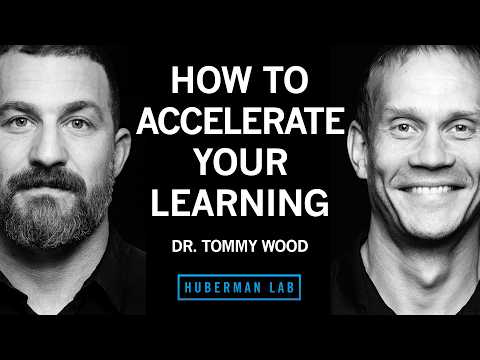
The thumbnail says:
"HOW TO ACCELERATE YOUR LEARNING DR. TOMMY WOOD HUBERMAN LAB"
Reality:
While the thumbnail accurately mentions Dr. Wood and learning acceleration, it oversimplifies the episode’s content which delves into complex topics like HIIT, specific diets, lab testing, and potential risks, rather than offering straightforward methods.
AI Opinion
The episode convincingly argues for the significant benefits of HIIT on hippocampal function, supported by research demonstrating lasting improvements, and highlights the MIND diet's potential to delay neurodegenerative processes through nutrient density rather than restrictive dieting. However, claims regarding optimal protein intake (one gram per pound of body weight) and the broad applicability of cocoa flavonol supplementation lack robust evidence and warrant further scrutiny. Listeners should also be cautious about accepting assertions concerning cortisol’s role in exercise benefits and the prevalence of PFAS exposure without independently verifying those statistics from reputable sources.
Voices are AI rewrites of the same facts — style changes, not substance.
Summary
This episode explores strategies for accelerating learning, increasing cognitive capacity, and mitigating age-related decline. Research highlights the benefits of high-intensity interval training (HIIT) on hippocampal function, demonstrating sustained improvements even years after a relatively short intervention period. The MIND diet, combining principles from Mediterranean and DASH diets, is presented as a way to prevent neurodegenerative delay, with caloric restriction showing surprisingly similar cognitive benefits. Nutrient density in overall diet quality appears more important than restricting specific foods. Maintaining a balanced energy intake is crucial for brain health, avoiding both chronic caloric restriction and excess. Personalized supplementation, guided by lab testing, is emphasized over generic approaches, with the Cosmos study suggesting even basic multivitamins can offer some cognitive support. The discussion also covers topics like the importance of arousal for neuroplasticity, the role of cortisol in exercise benefits, potential risks from water contaminants, and a phased return-to-play protocol following concussion, alongside insights into maintaining skill proficiency and understanding the interplay between physical activity and brain health.
Voices are AI rewrites of the same facts — style changes, not substance.
Key Points
High-Intensity Interval Training and Hippocampal Benefits
A recent study on older adults compared low-intensity exercise, zone 2 treadmill work, and high-intensity interval training (HIIT) using the Norwegian 4x4 protocol (4 minutes at 85-95% max heart rate with 3-minute rest). The HIIT group showed comparable fitness improvements to the zone 2 group but demonstrated significantly better hippocampal function and structure maintenance, confirmed by MRI scans. Remarkably, these benefits were sustained for five years after just six months of intervention.
Tommy's Athletic Background
Dr. Wood is a competing natural strongman athlete, participating in drug-tested competitions with a 'lifetime no gear' requirement. This unique combination of neuroscience research and athletic performance provides him with a distinct perspective on human potential and the intersection of physical and cognitive optimization.
The Stimulated Mind Book
Dr. Wood recently released a book titled 'The Stimulated Mind: Futureproof Your Brain from Dementia and Stay Sharp at Any Age.' This resource provides further exploration into the science and practical applications of brain health, offering insights for maintaining cognitive function across all ages.
Neuroplasticity: The Brain's Core Function
Dr. Wood emphasizes that neuroplasticity – the brain’s ability to change and adapt – is its most crucial function. Without this capacity for modification, other cognitive functions become irrelevant; it's a process essential throughout life, allowing us to continuously learn and evolve.
The Maintain Your Brain Study & Multi-Domain Interventions
Dr. Wood references the 'Maintain Your Brain' study, initially believed to be focused on older adults (65+), but was actually a midlife intervention targeting individuals in their 50s and 60s. The study employed a multi-domain approach, incorporating dietary changes, physical activity, cognitive behavioral therapy for mental health concerns, and online brain training as key components. This holistic strategy highlights the interconnectedness of various factors impacting cognitive function.
The Pointer Trial: Diet, Exercise, and Brain Training
The Pointer trial, a replication of an older Finnish study called the Finger trial, was conducted in the US with individuals aged 60s and 70s. It mirrored the original trials by combining diet, exercise, cardiovascular risk factor management, and brain training. This approach underscores the importance of a comprehensive lifestyle intervention for maintaining cognitive health as people age.
Brain HQ Platform & Processing Speed Training
The Pointer trial utilized Brain HQ, a platform developed based on the work of Mike Mzinich, recognized as a pioneer in learning and neuroplasticity. A core component of this training focuses on developing and maintaining processing speed, which naturally declines with age. This type of training aims to improve cognitive efficiency by enhancing the ability to quickly process information.
Processing Speed Training & Dementia Risk
A secondary analysis of the Active trial revealed that processing speed training, coupled with booster sessions at one and three years, significantly reduced the risk of dementia 20 years later. This finding suggests a direct link between improving cognitive processing speed and long-term brain health. The mechanism is believed to involve improvements in co-allergic signaling within the forebrain.
Adults Avoid Novelty Due to Fear of Incompetence
Dr. Wood explains that a decline in cognitive function with age may be linked to a lack of novel or complex inputs for the brain, which are crucial for neuroplasticity. He posits that adults often avoid trying new things because they dislike being bad at them and fear judgment from others, hindering their ability to maintain cognitive function.
Social Dynamics & Learning Challenges in Partner Dances
The discussion touches on the social dynamics of partner dances like salsa and tango, noting that traditionally male roles often involve leading. This can create unique challenges for men learning these dances, as they are essentially guiding their partners while also being evaluated. Tim Ferriss's experience with a female dance coach highlights how overcoming this challenge requires specific guidance.
Embracing Beginner's Mind & The 'Halo Effect'
The speaker emphasizes the importance of embracing a ‘beginner’s mind’ and being willing to make mistakes when learning new skills. He describes an observed phenomenon where even small improvements in a skill like tango can lead to positive changes in other areas of life, such as improved sleep, increased excitement, and better interactions with others – a 'halo effect' stemming from nervous system arousal.
Overcoming Challenges Drives Core Human Needs
The speaker suggests that the positive effects of learning new skills, even with initial struggles, are rooted in a fundamental human need to be challenged and overcome obstacles. This process contributes to feelings of accomplishment and can have downstream benefits for mental well-being, potentially affecting sleep quality and overall excitement for life.
Aton Senna's Experience of Flow
The discussion references a quote from Formula 1 driver Aton Senna, describing an experience during the Monaco Grand Prix where he felt disconnected and was going significantly faster than his perceived capabilities. This illustrates a state approaching flow, where performance transcends conscious effort and feels almost automatic due to mastery. The speaker highlights this as a key indicator of virtuosity and achieving peak performance.
Importance of Foundational Drills
Drawing from the 'Dark Wizard' documentary, the conversation emphasizes the importance of consistent practice of fundamental skills. Twilight Tharp, a world-renowned choreographer, had her dancers repeatedly perform basic drills for hours daily, even before attempting new routines. This highlights that high performers dedicate significant time to maintaining foundational abilities, often unseen by observers.
The 33% Rule in Learning
A common pattern emerges across various learning disciplines – a 'thirds' rule. Approximately one-third of training sessions will feel exceptionally good, one-third will be average, and the final third will be challenging or even unpleasant. This underscores that consistent effort and pushing through difficult periods are essential for growth, rather than solely pursuing moments of effortless flow.
Piano Skill Maintenance Study
A study involving expert and amateur pianists revealed that the most significant predictor of skill performance wasn't age, but rather the amount of practice. This reinforces the idea that consistent repetition and focused effort are critical for maintaining proficiency in specific skills, even when those skills become integrated into more complex performances.
The MIND Diet Combines Mediterranean and DASH Principles
The MIND diet, designed to prevent neurodegenerative delay, is a combination of the Mediterranean diet and the DASH diet. It originated from the Rush University Memory and Aging Project, which analyzed the eating habits of individuals and correlated them with dementia risk. The initial development involved scoring foods based on frequency of consumption, identifying those associated with lower dementia risk.
Caloric Restriction Can Have Similar Cognitive Benefits as the MIND Diet
A clinical trial comparing the MIND diet to standard caloric restriction revealed surprisingly similar cognitive benefits in both groups. This suggests that reducing overall energy intake, even without adhering strictly to a specific dietary pattern like the MIND diet, can positively impact brain health, potentially due to improvements in metabolic function.
Nutrient Density is More Important Than Restricting Specific Foods
Research indicates that the overall quality and nutrient density of a diet, rather than avoiding specific foods like red meat or restricting olive oil consumption, are key factors in maintaining cognitive health. Studies analyzing Mediterranean diets found no single food or food group significantly impacted dementia risk when considered within the broader context of dietary patterns.
Brain Volume and Energy Availability Follow an Inverted U-Shape
Studies comparing brain volume across different populations, including Bolivian tribes and industrialized societies, revealed an inverted U-shaped relationship with energy availability. Both chronic caloric restriction and chronic energy excess are associated with smaller brain volumes, highlighting the importance of maintaining a balanced energy intake for optimal brain health.
The Importance of Targeted Nutrient Supplementation
Dr. Wood emphasizes that simply supplementing with nutrients without understanding individual needs is unlikely to yield noticeable effects. He highlights the need for targeted supplementation based on specific deficiencies, referencing examples where broad-spectrum approaches haven't shown significant results. This contrasts with a personalized approach, which he believes is crucial for optimizing cognitive function.
The Cosmos Study and Basic Multivitamin Benefits
The Cosmos study, involving thousands of older adults, demonstrated some cognitive benefits from a basic multivitamin (Centrum Silver providing 100% of the recommended daily allowance). While not a dramatic effect, it suggests that covering nutritional bases with a standard multivitamin can be a reasonable strategy for the general population. The study also showed cocoa flavonol supplementation was only beneficial in those with poor diets.
Function Health: Comprehensive Lab Testing
A sponsor segment introduces Function, a service providing comprehensive lab tests (including advanced MRI and CT scans) to assess various health aspects like heart health, hormone levels, nutrient status, and autoimmune function. The host shares his personal experience using Function to identify and correct blood lipid imbalances through nattokinase supplementation, highlighting the value of proactive health monitoring.
The Future of Personalized Nutrition
Dr. Wood envisions a future where routine bloodwork informs personalized supplement recommendations, moving away from generic 'biohacking' approaches. This collaborative model would involve individuals and healthcare professionals tailoring supplement regimens based on lab results and subjective well-being metrics, leveraging technology for data tracking and analysis to optimize health outcomes.
Prioritizing Safety in Supplementation
Dr. Wood emphasizes that before considering any supplement or intervention, the first priority should be documented safety data. He highlights that simply lacking evidence of adverse effects isn't sufficient, as long-term risks remain unknown. He stresses individual risk tolerance and encourages people to seek proven safety information before experimentation.
Creatine: A Model for Safe & Effective Supplementation
Creatine, omega-3s, and magnesium are presented as examples of supplements with some supporting evidence. However, creatine stands out due to its robust safety profile even at high doses in elderly populations. While individual responses vary (responders vs. non-responders), the established safety makes it a worthwhile consideration.
Arousal as a Prerequisite for Brain Plasticity
The discussion pivots to the role of arousal and alertness in facilitating brain plasticity. Stimulants like caffeine and elyeron are mentioned, not as direct learning enhancers, but rather as substances that create a preparatory state conducive to learning. This suggests that increasing arousal may be a crucial step before engaging in activities designed to promote neuroplasticity.
Subjective Feelings Outweigh Physiological Data
Dr. Wood argues that an athlete's subjective feeling of well-being is a more reliable indicator of performance than objective physiological data like HRV or blood tests. He references research consistently demonstrating this point, suggesting that self-reported feelings offer valuable insight into overall readiness and potential for success.
High-Intensity Interval Training (HIIT) & Hippocampal Function
A study on the Norwegian 4x4 exercise protocol demonstrated that high-intensity interval training resulted in improved fitness comparable to zone 2 training, but with significantly better improvements in hippocampal function and maintenance of hippocampal structure as observed through MRI scans. Participants maintained these benefits for five years following a six-month intervention period, suggesting long-term neuroprotective effects from intense physical activity.
Cortisol's Role in Exercise Benefits
Research within the Norwegian 4x4 study revealed a positive correlation between the intensity of exercise and its benefits. The harder individuals worked, and consequently, the more cortisol they released during high-intensity interval training, the greater the improvements observed. This challenges the common narrative that cortisol is always detrimental and highlights its potential role in neuroplasticity.
Water Contaminants & Health Risks
A 2020 Environmental Working Group study found that over 200 million Americans are exposed to PFAS (forever chemicals) through tap water, linked to hormone disruption, gut microbiome issues, and fertility problems. Furthermore, more than 122 million Americans consume tap water containing high levels of cancer-causing chemicals, prompting the discussion of alternative filtration methods.
Cortisol Misconceptions & Optimal Levels
There's a widespread fear surrounding cortisol that is often unwarranted. Moderate intensity exercise, including resistance training and cardio, can significantly elevate baseline cortisol levels without causing harm. It’s important to recognize the role of morning cortisol in promoting sleep quality and energy levels throughout the day.
Easy Disruption of Biological Processes
Dr. Wood explains that certain biological processes, like REM sleep and long-term potentiation, are relatively easy to disrupt with minor adjustments. For example, tweaking the system slightly can cause a deficit in REM sleep, while manipulating neurons in a dish or animal can easily increase or decrease long-term potentiation – demonstrating how readily these systems can be tilted.
Exercise and Plasticity
The speaker notes a shift in understanding regarding exercise's impact on learning. He now believes that resistance and cardiovascular training are key drivers of plasticity, mirroring how motor skills development occurs. This contrasts with earlier views focusing solely on increased neuron production through mouse studies, which he now considers less meaningful for human cognitive function.
Exercise as a Molecular Trigger
Dr. Wood's perspective on exercise has evolved; he no longer views it simply as increasing blood vessel growth and metabolic health, which then benefits the brain. Instead, he now considers resistance training and cardio to be direct triggers for plasticity, deploying numerous interacting molecules within the body – a significant change from his previous understanding.
Preventable Dementia
The speaker highlights that potentially half of dementia cases are preventable, primarily through addressing Alzheimer's and vascular dementia. He emphasizes the importance of early intervention to mitigate cognitive decline, drawing parallels with preventative measures for diabetes, suggesting a shift towards proactive neurological health management.
Herpes Viruses and Neuronal Survival
Experts discuss the relationship between herpes viruses and dementia risk, noting that while there's a mechanistic link, it doesn't establish direct causation. A key characteristic of herpes viruses is their ability to infect neurons without killing them, allowing them to persist within the host. This survival strategy highlights how these viruses are adept at maintaining a long-term presence in the body.
Cognitive Decline and Illness Episodes
The discussion emphasizes that cognitive function doesn't decline steadily with age but rather experiences stepwise decreases following periods of significant illness. Studies like the Adult Changes in Thought study at the University of Washington and the Rush Memory and Aging Project have demonstrated this pattern, showing that individuals experiencing major illnesses or hospitalization often exhibit a noticeable drop in cognitive performance.
Minimizing Illness to Preserve Cognitive Health
Maintaining long-term cognitive function is strongly linked to minimizing the chances of getting seriously ill. The Adult Changes in Thought study and Rush Memory and Aging Project revealed that periods of illness lead to noticeable drops in cognitive performance, suggesting that preventative measures against sickness can positively impact overall brain health over time.
Temperature Regulation After Concussion
Following a concussion, temperature management and regulation are crucial for recovery. The speaker's PhD research focused on hypothermia after acute brain injury, indicating the potential benefits of controlled cooling in mitigating damage and promoting healing. This approach is supported by both animal studies and some observational human data.
Phased Return-to-Play Protocol
Following a traumatic brain injury, Dr. Wood outlines a phased return-to-play protocol for athletes. This involves starting with low-intensity aerobic activity (twice or three times weekly), progressing to non-specific exercises, then skill-specific drills, full training, and finally returning to playing – all at levels below symptom exacerbation. Sports teams should ideally have this systematized as standard care.
Importance of Physical and Cognitive Therapy
Dr. Wood emphasizes the importance of physical therapy for athletes experiencing ongoing cognitive or physical symptoms after a traumatic brain injury, particularly if those symptoms persist for over a month. He notes that virtual/augmented reality and vestibular therapy can be beneficial in addressing balance and dizziness issues.
Ocular Motor Training Post-Concussion
A common, often overlooked issue after concussions is problems with eye movement (ocular motor function), such as convergence difficulties. Dr. Wood highlights the increasing use of ocular motor training and eye tracking to identify and address these issues in athletes, particularly at professional levels.
Strongman Competition Categories
The strongman competitor explains the competition format, noting that he competes in a 'Masters' category due to his age (41) and weight class. He describes how competitors are divided into lightweight and heavyweight categories, with athletes over 40 competing in Masters divisions, often requiring a water cut for weigh-ins.
Chapters
Claims & Fact Check
High-intensity interval training improves hippocampal function.
?UnverifiedNeuroplasticity is the brain's most important function.
?UnverifiedThe brain’s ability to change itself is essential throughout life.
±Partially supportedEating one gram of protein per pound of body weight is a good goal.
?UnverifiedProcessing speed tends to drop off sometime around 60 years old.
?UnverifiedDriving is the main activity that requires processing speed.
?UnverifiedA decline in cognitive function with age may be linked to a lack of novel inputs.
±Partially supportedAdults often avoid trying new things because they dislike being bad at them.
±Partially supportedLearning tango can lead to a 'halo effect' impacting other areas of life.
?UnverifiedAton Senna described a state where he felt disconnected from his actions while driving exceptionally fast.
?UnverifiedHigh performers spend a significant amount of time in a relaxed state to achieve peak performance.
?UnverifiedTwilight Tharp's dancers perform basic drills for hours every day.
±Partially supportedThe MIND diet is designed to prevent neurodegenerative delay.
✓Well-supportedThe most important aspect of diet is nutrient density, not restriction of certain foods.
±Partially supportedChronic caloric restriction can lead to a smaller brain volume.
?UnverifiedSupplementing with nutrients without understanding individual needs is unlikely to yield noticeable effects.
±Partially supportedThe Cosmos study showed some cognitive benefits from a basic multivitamin in older adults.
?UnverifiedCocoa flavonol supplementation is only beneficial for those with poor diets.
±Partially supportedThe first thing to know when considering a supplement is whether it's safe.
±Partially supportedCreatine is the best example of a very safe supplement.
±Partially supportedArousal seems to be a prerequisite for plasticity.
±Partially supportedHigh-intensity interval training improves hippocampal function.
?UnverifiedThe harder people work, the better the benefits from exercise.
?UnverifiedOver 200 million Americans are exposed to PFAS in tap water.
?UnverifiedCertain biological processes like REM sleep are easily disrupted.
±Partially supportedResistance and cardiovascular training are key drivers of plasticity.
±Partially supportedPotentially half of dementia cases are preventable.
±Partially supportedHerpes viruses harbor in particular cell types and there's a logical link to dementia risk.
?UnverifiedGetting the shingles vaccine earlier than recommended (e.g., in one's 50s) has no evidence of benefit.
?UnverifiedMajor illnesses cause stepwise declines in cognitive function.
±Partially supportedVirtual reality or augmented reality physical activity might improve cognitive symptoms after brain injury.
±Partially supportedOcular motor training is increasingly used to address eye issues post-concussion.
?UnverifiedA standard strongman competition includes a deadlift and overhead pressing event.
±Partially supportedMore from Huberman Lab
The Science & Treatment of Bipolar Disorder | Huberman Lab Essentials
Jul 16, 2026
How to Improve Your Memory & Cognitive Function at Any Age | Dr. Alan Castel
Jul 13, 2026
The Science & Treatment of Obsessive Compulsive Disorder (OCD) | Huberman Lab Essentials
Jul 9, 2026

Raising a Dog & Mastering Calm Assertive Energy | Cesar Millan
Jul 6, 2026