

HealthyGamerGG
2 episodes — every digest for HealthyGamerGG.
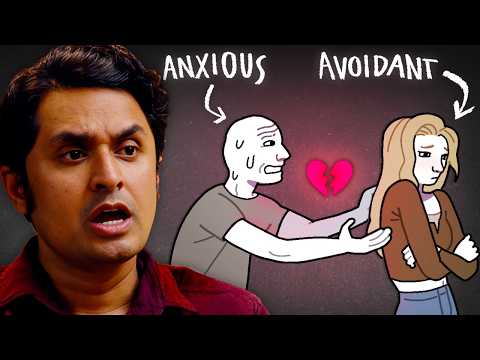
In this episode, Dr. K addresses a couple with anxious and avoidant attachment styles who, despite five years together and a year of couples therapy using nonviolent communication, still struggle during crises like illness. He acknowledges that while this pairing is often called a "match made in hell," many couples can move toward secure attachment, and the avoidant partner’s willingness to seek help is a positive sign. The core challenge is distinguishing between genuine personal growth and old attachment-driven behaviors, especially when both partners are highly self-aware. Dr. K advises against overcorrecting for every conflict, noting that some breakdowns are situational—caused by illness or exhaustion—and do not require a fundamental relationship overhaul. He explains that each partner operates from a different internal template, creating confusion, and recommends addressing the underlying fears rather than surface behaviors. For the avoidant partner, the key insight is that he labels normal needs as avoidant due to low self-worth; once he accepts that he is enough, he can let his partner fall apart without taking responsibility, while still offering support. The episode concludes with the avoidant partner seeking spiritual integration, and Dr. K promises to teach a specific practice in the membership community.

A psychiatrist explains that effective therapy goes beyond simply venting; it involves analyzing patterns and themes in a patient's life. Using a case study of a veteran named Lamar, the episode explores how repeated treatment failures and a sense of systemic betrayal can create a deep-seated hopelessness. Lamar's severe PTSD, exemplified by sleeping in a closet for six months, illustrates a profound inability to reintegrate into civilian life. The therapist demonstrates techniques like reflective listening to validate the patient's experience and planting seeds of curiosity rather than giving direct answers. A critical moment in therapy is identified when a patient shifts from using "I" to "we," signaling a partnership. The therapist admits to being unable to help only three out of 500 to 1,000 patients, framing this as a challenge to the patient. The discussion delves into the psychological shift from thriving to mere survival when hope is repeatedly punished, and references the idea that depression is anger turned inward, with its expression seen as a step toward healing. The episode concludes by showing the therapeutic technique of mirroring a patient's state when they close off after opening up.